
- All
- Product Name
- Product Keyword
- Product Model
- Product Summary
- Product Description
- Multi Field Search
Views: 0 Author: Site Editor Publish Time: 2025-11-03 Origin: Site


Have you ever wondered what keeps your favorite products looking pristine on store shelves? Enter POF heat shrink film, a game-changer in packaging. These films offer high transparency and durability, crucial for product protection. In this post, you'll learn about the importance of shrink films in packaging and explore the unique properties of POF shrink films.
POF shrink films offer exceptional clarity and gloss, making products inside highly visible and attractive. This transparency helps boost consumer appeal by showcasing product details clearly. The glossy finish adds a premium look, enhancing shelf presence. This makes POF films ideal for retail packaging where appearance directly influences buying decisions.
These films provide excellent strength and durability. They resist punctures, tears, and abrasions better than many other shrink films. This toughness protects products during shipping and handling, reducing damage and losses. POF films also offer strong seals that keep packages secure and intact. Their flexibility allows them to shrink tightly around irregular shapes without cracking.
POF shrink films are made from recyclable materials, contributing to sustainability efforts. Unlike PVC films, they don’t release harmful chemicals during heating or disposal. Their recyclability helps reduce plastic waste when properly processed. Many POF films meet FDA and USDA standards, confirming safety for food packaging and environmental compliance.
POF films are FDA-approved for direct food contact, making them safe for packaging edible products. They don’t contain harmful additives or chlorine, unlike PVC films. This ensures no contamination risk for food items wrapped in POF shrink films. Their excellent barrier properties protect food from dust, bacteria, and moisture, extending shelf life and maintaining freshness.
POF shrink films are widely used in food and beverage packaging due to their safety and protective qualities. They provide a clear, glossy wrap that showcases the product inside, which helps attract buyers. The film tightly seals around items like fresh produce, baked goods, and frozen foods, keeping them fresh by protecting against moisture, dust, and bacteria. Its FDA approval for direct food contact ensures no harmful chemicals leach into food, making it ideal for edible products.
For beverages, POF films protect bottles during transport and storage, preventing damage like cracks or leaks. The film also wraps tightly around bottle caps, stopping contaminants from entering. Plus, it can hold anti-counterfeiting labels, helping ensure product authenticity. These features make POF films a popular choice for packaging water, juices, and other drinks.
Beyond food, POF shrink films protect a range of industrial and consumer products. Their strength and flexibility allow them to wrap irregular shapes securely without tearing. This is valuable for packaging toys, books, cosmetics, and electronics, where product visibility and protection matter.
The film’s clarity enhances product presentation on retail shelves, while its durability reduces damage during shipping. It also bundles multiple items together efficiently, which is useful for multipacks or promotional sets. POF films can be printed on, offering branding and product information opportunities.
In medical and pharmaceutical industries, POF shrink films maintain product sterility and safety. They provide a reliable barrier against dust, moisture, and microbes, preserving the integrity of sterilized medical devices, medicines, and supplements. The film’s FDA compliance and absence of harmful additives make it safe for packaging sensitive health products.
Its flexibility suits various package sizes and shapes, from small pill bottles to larger medical kits. The strong seals help prevent tampering, ensuring patient safety. Additionally, POF films support cold storage needs by maintaining flexibility at low temperatures, which is crucial for many pharmaceuticals.
Tip: When selecting POF shrink film for packaging, consider product-specific needs like barrier protection, shape, and regulatory compliance to maximize safety and shelf appeal.
POF (Polyolefin) and PVC (Polyvinyl Chloride) shrink films differ significantly in safety, environmental impact, and performance. POF is made from recyclable materials and is FDA-approved for direct food contact, making it safer for packaging edible products. PVC contains chlorine and can release harmful substances when heated, posing health risks and environmental concerns.
In terms of appearance, both offer good clarity, but POF usually provides a glossier, more attractive finish. POF films are more flexible and less brittle than PVC, enabling tight wraps around irregular shapes without cracking. PVC films tend to be less durable and can become brittle over time, especially under heat or cold.
From an environmental standpoint, POF is more eco-friendly. It’s recyclable and doesn’t emit toxic gases during disposal. PVC, however, is harder to recycle and can produce hazardous byproducts, making it less sustainable.
Comparing POF with PE (Polyethylene) shrink films highlights differences in clarity, strength, and typical uses. POF films have superior clarity and gloss, making them ideal for retail packaging where product visibility matters. PE films generally have lower transparency, which limits their use in display packaging but suits industrial applications well.
PE films are thicker and stronger, often chosen for heavy-duty packaging like bundling large or heavy items. POF films, while strong, are thinner and more flexible, better for delicate or irregularly shaped products.
Both are recyclable, but PE is more common in industrial settings, while POF dominates consumer goods packaging due to its appearance and food safety certifications.
Cost plays a crucial role when selecting shrink films. PVC is typically the cheapest option upfront but may incur hidden costs related to environmental compliance and health safety. PE can be cost-effective for heavy packaging but might require specialized equipment due to its thickness.
POF offers a balance between cost and benefits. It’s often priced higher than PVC but less than heavy-duty PE films. Its excellent shrink properties allow faster processing speeds and less waste, improving overall packaging efficiency. POF’s compatibility with various packaging machines reduces downtime and maintenance, saving money long-term.
| Feature | POF Shrink Film | PVC Shrink Film | PE Shrink Film |
|---|---|---|---|
| Clarity & Gloss | High, premium appearance | Good, less glossy | Lower, less transparent |
| Food Safety | FDA-approved, safe | Contains chlorine, less safe | Safe but less common for food |
| Durability & Flexibility | Strong, flexible, puncture resistant | Less flexible, brittle | Very strong, thicker |
| Environmental Impact | Recyclable, eco-friendly | Difficult to recycle, toxic | Recyclable, industrial focus |
| Cost | Moderate | Lowest upfront cost | Higher for heavy-duty use |
| Machine Compatibility | High, versatile | Moderate | Requires specific equipment |
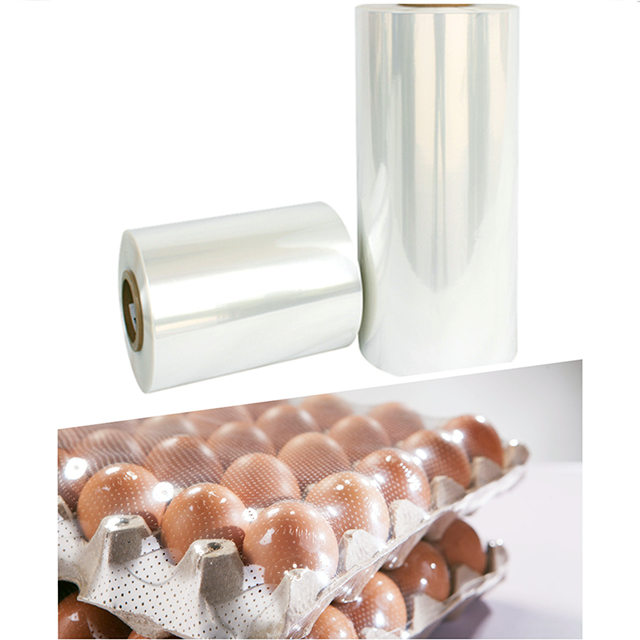
Choosing the right shrink film is crucial for packaging success. Several factors influence this decision. These include the product type and size, clarity and appearance, environmental impact, and cost and application method. Understanding each helps select the best film for your needs.
The product’s nature plays a big role. Smaller, delicate items like cosmetics or pharmaceuticals benefit from POF shrink films. They provide a tight, protective wrap without damage. Larger or heavier products, such as industrial goods or multipacks, might require thicker films like PE for extra strength.
Shape matters too. Irregular shapes need flexible films that shrink evenly without cracking. POF films excel here due to their flexibility and strong seals. Matching film thickness and strength to product weight and fragility prevents damage during shipping and handling.
How your product looks on the shelf influences buyer decisions. High clarity and gloss help products stand out. POF films offer excellent transparency and a shiny finish, enhancing visual appeal. This makes them ideal for retail packaging where showcasing the product is key.
If appearance is less critical, such as bulk industrial packaging, films with lower clarity like PE might suffice. However, for consumer goods, clarity and glossiness often justify the investment in premium films.
Sustainability is a growing concern. POF shrink films are recyclable and made from materials that meet FDA and USDA standards. They emit fewer harmful substances during production and disposal compared to PVC films.
Choosing eco-friendly films supports brand image and compliance with environmental regulations. It also appeals to environmentally conscious consumers. Consider your company’s sustainability goals when selecting shrink films.
Cost is always a factor. PVC films usually cost less upfront but may incur hidden costs due to environmental and health issues. PE films can be expensive, especially for heavy-duty uses.
POF films offer a balance of cost and benefits. Their efficient shrink properties reduce waste and speed up packaging. Compatibility with various machines lowers downtime and maintenance expenses.
Application method matters too. Some films require specific equipment or conditions. POF films are versatile and work well on many packaging lines, making them a practical choice for diverse operations.
POF shrink films play a crucial role in food packaging by protecting freshness and enhancing product appeal. For example, a gourmet chocolate manufacturer uses POF films to wrap individual bars. The film’s crystal-clear transparency showcases the rich colors and textures, attracting customers. Its strong seal keeps out moisture and contaminants, extending shelf life. The film’s softness and flexibility allow it to conform tightly around irregular shapes without tearing. Plus, it meets FDA standards, ensuring food safety.
Another example is fresh produce packaging. Fruits and vegetables wrapped in POF shrink film stay protected from dust and handling damage during transport. The film’s breathability prevents condensation buildup, reducing spoilage. Retailers benefit from the film’s glossy finish, which makes produce look fresher and more appealing on shelves.
In pharmaceuticals, product safety and sterility are paramount. A medical device company packages sterile surgical kits using POF shrink films. The film provides a strong, tamper-evident seal that prevents contamination. Its clarity allows easy inspection without opening packages. The film remains flexible and durable even under cold storage, preserving product integrity.
Pharmaceutical tablets and supplements also use POF films. Bottles wrapped in POF shrink film gain an extra protective layer that guards against dust and moisture. The film’s FDA approval ensures no harmful chemicals leach into medicines, maintaining patient safety. Additionally, the film can be printed with batch numbers and expiration dates, supporting regulatory compliance.
POF shrink films are widely used for beverage bottle packaging. A bottled water company wraps multipacks with POF films to secure bottles during shipping. The film’s strength prevents bottle movement and breakage. It also tightly seals around caps, preventing contamination from dust or bacteria.
The film can be cut precisely to fit various bottle shapes and sizes, giving a neat, professional look. Beverage brands use POF films to hold anti-counterfeiting labels, ensuring product authenticity and consumer trust. The glossy finish enhances shelf presence, encouraging purchases.
The future of POF shrink films is bright thanks to ongoing technological improvements. Manufacturers are developing films with enhanced barrier properties to better protect products from moisture, oxygen, and UV light. These upgrades help extend shelf life and maintain product quality longer. Innovations also focus on reducing film thickness without losing strength or clarity, which lowers material use and cuts costs. Cross-linking technology, for example, strengthens films while keeping flexibility high. Smart packaging features like anti-counterfeiting labels and QR codes are becoming easier to integrate into POF films, adding value for brands and consumers alike.
Environmental concerns are driving demand for sustainable packaging solutions. POF shrink films fit well here as they are recyclable and made from materials that comply with FDA and USDA standards. Consumers and businesses increasingly prefer products wrapped in eco-friendly materials. This trend pushes companies to adopt POF films over PVC, which has a higher environmental footprint. Additionally, efforts to improve recycling infrastructure and educate consumers will boost POF film recycling rates. Some manufacturers are exploring bio-based polyolefin blends to further reduce carbon footprints, aligning with global sustainability goals.
Despite its advantages, POF shrink film faces challenges. Cost remains a consideration since POF often costs more upfront than PVC. Businesses must weigh long-term benefits against initial expenses. Compatibility with certain packaging machines or product types can also limit use. Some products may require specific film thickness or sealing methods to avoid damage or poor appearance. Furthermore, while POF is recyclable, contamination or lack of recycling options in some regions can reduce its environmental benefits. Companies should also monitor evolving regulations around plastic packaging to ensure compliance.
POF shrink films offer high transparency, durability, and eco-friendliness, making them ideal for various packaging needs. When choosing shrink films, consider product-specific requirements, environmental impact, and cost. For businesses seeking effective packaging solutions, YULONG provides quality POF shrink films that enhance product presentation while supporting sustainability.
A: POF heat shrink film is a type of packaging material known for its high clarity, gloss, and durability. It is used to securely wrap products, enhancing their appearance and protection.
A: Heat shrink film works by applying heat, causing the film to contract and tightly wrap around the product, offering protection and a secure seal.
A: POF heat shrink film is safer and more eco-friendly than PVC, offering better flexibility, durability, and compliance with food safety standards.
A: POF heat shrink film is FDA-approved, ensuring safety for direct food contact. It protects food from moisture and contaminants, extending shelf life.
A: POF heat shrink film offers a balance of cost and benefits, with efficient shrink properties that reduce waste and improve packaging efficiency.


