
- All
- Product Name
- Product Keyword
- Product Model
- Product Summary
- Product Description
- Multi Field Search
Views: 0 Author: Site Editor Publish Time: 2025-11-21 Origin: Site


Shrink films play a critical role in packaging, protecting products during transport and display. But with various options available, how do businesses know which type to choose?
In this article, we will compare cross-linked shrink films with conventional films, examining their performance, costs, and applications. By the end, you’ll have a better understanding of whether cross-linked shrink films offer value for your business needs.
Cross-linked shrink films are created through a process called "cross-linking," where chemical bonds are formed between polymer chains. This process creates a network structure that enhances the film’s strength, heat resistance, and durability. The result is a film that can shrink tightly around complex product shapes, offering superior protection.
The manufacturing process for cross-linked films differs significantly from conventional films. While conventional films use a basic extrusion method, cross-linked films undergo additional steps that increase their resilience, making them suitable for more demanding applications.
Enhanced Durability: Cross-linked films are known for their strength. These films resist tearing and punctures, even in challenging environments.
Better Heat Resistance: Their high heat tolerance makes them ideal for products exposed to extreme temperatures.
Improved Shrinkage: The films provide a uniform and tight shrink, which is essential for securing irregularly shaped products.
Longer Protection: With their enhanced properties, cross-linked films help maintain the integrity of products for longer periods.
For businesses requiring robust packaging solutions, cross-linked films are often the go-to option due to their superior physical attributes.
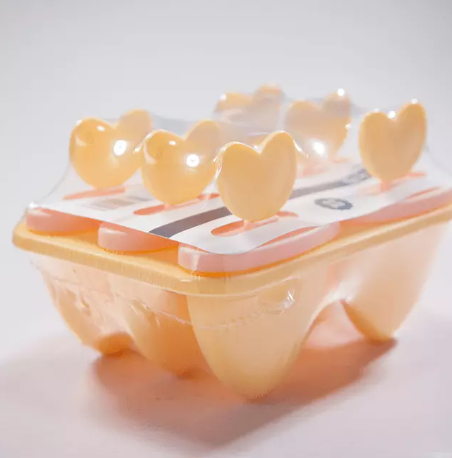
Conventional shrink films, typically made from PVC (polyvinyl chloride) or PE (polyethylene), are more affordable than their cross-linked counterparts. These films are widely used for general packaging needs due to their cost-effectiveness. Conventional films are flexible and easy to process, making them suitable for less demanding packaging applications.
However, they fall short in terms of durability and heat resistance when compared to cross-linked films. The lower strength and shrinkage rate can result in less reliable packaging, especially for products that face rough handling or high temperatures.
Advantages:
Lower Cost: These films are more budget-friendly, which makes them a good choice for businesses on a tight budget.
Flexibility: They are easier to handle and apply, which makes them suitable for a wide range of applications.
Drawbacks:
Lower Durability: Conventional films are more likely to tear or puncture, especially when used to package sharp-edged or heavy products.
Heat Resistance: These films are less effective when exposed to heat, making them less suitable for high-temperature environments.
Inconsistent Shrinkage: Conventional films may not shrink as evenly as cross-linked films, leading to a less polished appearance.
For lighter packaging or short-term uses, conventional films work well. However, for products that require enhanced protection or have specific temperature needs, businesses often turn to cross-linked films.
Cross-linked shrink films are significantly stronger than conventional films due to the chemical bonds between the polymer chains. This gives them enhanced tear resistance, which makes them ideal for packaging products that may be subject to rough handling. Industrial items or frozen foods, for instance, benefit from the additional protection cross-linked films provide.
On the other hand, conventional films, while still providing adequate protection for lighter products, cannot withstand the same level of stress. Their flexibility makes them more prone to damage when exposed to sharp objects or heavy pressure.
| Property | Cross-Linked Shrink Film | Conventional Shrink Film |
|---|---|---|
| Tensile Strength | Higher resistance to stretching | More elastic but less robust |
| Puncture Resistance | Superior protection against sharp objects | Prone to tearing under stress |
| Temperature Tolerance | Stable at higher shrinkage temperatures | May warp or thin excessively |
| Durability | More durable, long-lasting | Less durable, may degrade faster |
When exposed to high temperatures, cross-linked shrink films maintain their integrity and shrink more uniformly around products. The higher shrinkage ratio ensures that the film fits tightly around products, providing a secure wrap. This heat resistance is particularly important for products that are stored or shipped in hot conditions.
Conventional shrink films, however, are more likely to distort or lose their effectiveness under heat. They may shrink unevenly, compromising the visual appeal and the protective seal around the product.
| Feature | Cross-Linked Shrink Film | Conventional Shrink Film |
|---|---|---|
| Shrinkage Ratio | Higher, conforms tightly around complex shapes | Lower, may not conform as tightly |
| Heat Resistance | Can withstand higher temperatures without distortion | May lose effectiveness under heat |
| Consistency of Shrinkage | Consistent, uniform shrinkage | Inconsistent, may shrink unevenly |
Cross-linked films offer superior clarity and gloss, enhancing the visual appeal of the packaged product. The shiny, smooth surface is particularly valuable for retail products, where packaging plays a crucial role in attracting customers.
In contrast, conventional films tend to have a more matte finish. While still transparent, these films are not as visually appealing as cross-linked films, which may affect the product’s perceived quality.
Although cross-linked shrink films come at a higher upfront cost, they can lead to significant long-term savings. The increased durability reduces the risk of product damage during transit, which in turn lowers the costs associated with returns and replacements. Additionally, these films can be thinner than conventional ones while maintaining the same strength, which further reduces material costs.
Cross-linked films provide businesses with an excellent return on investment due to their reduced waste and fewer quality control issues, making them a smart choice for high-performance packaging.
Using cross-linked shrink films in high-speed packaging operations can enhance efficiency. Their superior strength means fewer roll changes and less downtime. This helps increase production capacity and minimizes interruptions during the manufacturing process.
Cross-linked films also reduce material waste because they can be used more efficiently, which is a significant advantage for high-volume industries. The improved clarity and faster sealing speed also contribute to a smoother operation.
| Cost Factor | Cross-Linked Shrink Film | Conventional Shrink Film |
|---|---|---|
| Initial Investment | Higher | Lower |
| Material Cost | Thinner, reduces waste | Thicker, more material used |
| Operational Efficiency | Reduces downtime, fewer roll changes | May require more frequent roll changes |
| Long-Term Savings | Reduced product damage and material waste | Higher risk of damage during transport |
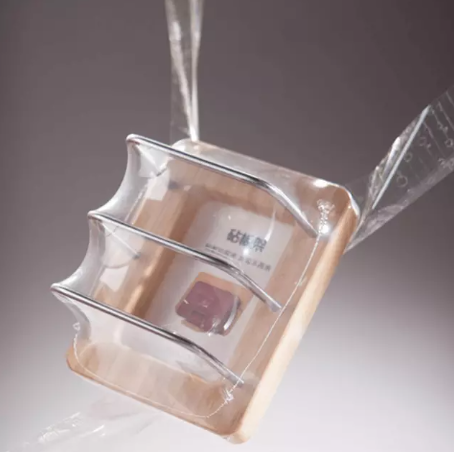
Cross-linked shrink films are especially beneficial in industries that require enhanced protection for products during transport, storage, and display. Industries such as food, pharmaceuticals, and industrial packaging particularly benefit from these films due to their superior strength, heat resistance, and durability.
Food Industry: In the food sector, cross-linked shrink films help maintain product quality by providing a secure seal that preserves freshness and hygiene. These films are able to withstand the extreme temperatures often encountered during shipping and storage, ensuring that perishable goods remain protected. For example, frozen foods, meat, and bakery products rely on cross-linked films to maintain their shelf life and resist punctures or tears during transportation.
Pharmaceutical Industry: The pharmaceutical sector places high demands on packaging to maintain product integrity. Cross-linked shrink films are used extensively to package medical devices, medications, and supplements, ensuring that these products remain sterile and tamper-proof. The enhanced heat resistance of cross-linked films is essential in meeting the stringent requirements for temperature-sensitive pharmaceuticals, such as vaccines and biologics, which need to be transported under controlled conditions. These films also help extend the shelf life of products, reducing the risk of contamination or degradation.
Industrial Packaging: In industrial applications, cross-linked shrink films are often used to package heavy-duty machinery, parts, and equipment. The superior strength and puncture resistance of these films provide a secure protective barrier, shielding the contents from external factors such as dust, moisture, and physical damage. Cross-linked films are ideal for bundling large components or securing multi-pack products that will be shipped over long distances or exposed to rough handling. Their ability to conform tightly around irregularly shaped items ensures a snug, protective fit, minimizing the risk of damage during transit.
These industries depend on cross-linked shrink films for their higher performance characteristics, which ensure that products remain intact, secure, and undamaged throughout the supply chain.
While cross-linked shrink films offer superior performance, there are several cases where conventional shrink films may be more appropriate. For lightweight products and packaging applications where cost is a primary consideration, conventional shrink films provide a practical, budget-friendly solution.
Lightweight Consumer Goods: Conventional shrink films are ideal for packaging products that don’t require heavy-duty protection, such as lightweight electronics, toys, books, and cosmetics. These products typically don’t face harsh conditions during transport or storage and don’t require the enhanced durability of cross-linked films. The lower cost of conventional shrink films makes them a more economical choice for packaging non-sensitive items, especially in high-volume retail packaging.
Non-Sensitive Products: For items that are not temperature-sensitive or exposed to extreme conditions, conventional shrink films provide adequate protection. These films offer sufficient protection against dust, dirt, and light handling, making them suitable for applications such as books, clothing, or promotional items. The flexibility of conventional shrink films allows them to be easily applied and adapted to a variety of product shapes, even those that are simple and non-fragile.
Short-Term Packaging Needs: In cases where products have a short shelf life or will not be exposed to high temperatures, conventional shrink films can be a better fit. For example, packaging for seasonal goods or promotional offers may not require the long-term durability that cross-linked films provide. In such instances, conventional films are a more cost-effective option, reducing the overall packaging expenses for businesses that don't need the extra performance features of cross-linked shrink films.
Retail packaging, such as for books, toys, and non-sensitive electronics, is often best suited for conventional shrink films. They provide enough protection to ensure that products reach consumers in good condition without adding unnecessary costs. Furthermore, businesses that prioritize cost savings without compromising the overall functionality of their packaging often turn to conventional shrink films for simpler packaging needs.
In summary, while cross-linked shrink films offer superior protection and durability, conventional shrink films are a more affordable and practical solution for lighter, less demanding packaging applications. By evaluating the specific requirements of the product, businesses can determine which type of shrink film best aligns with their packaging needs and budget.
Cross-linked shrink films face challenges in recycling due to their molecular structure. The cross-linking process makes it harder to break down the polymer chains for recycling. However, chemical recycling technologies are emerging, which may offer a solution for breaking down cross-linked films and reusing the materials.
Conventional shrink films, particularly those made from polyethylene (PE), are easier to recycle, making them a more sustainable choice in terms of post-consumer recycling. This has made conventional films a preferred option for businesses focusing on sustainability. Moreover, innovations in biodegradable and compostable alternatives are helping to reduce the environmental footprint of shrink film packaging.
When deciding between cross-linked and conventional shrink films, businesses should consider:
Product Type and Durability Needs: Cross-linked films are better for heavy-duty or temperature-sensitive products.
Heat Resistance and Shrinkage Requirements: If high heat resistance and tight shrinkage are critical, cross-linked films are the better choice.
Cost and Efficiency: Conventional films are more affordable for lighter packaging.
Sustainability Goals: If environmental impact is a priority, conventional films might offer a better solution.
Cross-linked shrink films offer superior performance, durability, and heat resistance, making them perfect for businesses needing high-quality packaging solutions. Though their initial cost is higher, the long-term savings from reduced product damage and better operational efficiency make them a wise investment. Conventional shrink films, on the other hand, are ideal for businesses that prioritize cost-effectiveness and have simpler packaging needs.
By understanding the advantages of each film type, businesses can make informed choices that align with their packaging requirements, budget, and sustainability goals.
Yu Long Packing Co.,Ltd. offers a range of high-quality shrink films designed to meet diverse packaging needs. Their products provide unmatched durability and performance, ensuring excellent protection and efficiency for businesses of all sizes.
A: Cross-linked shrink film is a type of shrink wrap created through a chemical process that bonds polymer chains together, improving its strength, heat resistance, and durability compared to conventional films.
A: Cross-linked shrink films are more expensive due to the complex manufacturing process, but they offer enhanced performance, including better durability and heat resistance, making them a worthwhile investment for demanding applications.
A: Cross-linked shrink films outperform conventional films in durability, heat resistance, and shrinkage ratios, providing superior protection for products, especially in harsh conditions.
A: Conventional shrink films are ideal for lightweight products or when cost-efficiency is a priority. They offer sufficient protection for products not exposed to extreme conditions.
A: While cross-linked films are more durable, they are harder to recycle. Conventional films, especially those made of polyethylene, are easier to recycle, making them a more sustainable option.


