
- All
- Product Name
- Product Keyword
- Product Model
- Product Summary
- Product Description
- Multi Field Search
Views: 0 Author: Site Editor Publish Time: 2025-11-23 Origin: Site


Choosing the right packaging material can make or break your product's retail success. Have you ever wondered whether heat seal bags or shrink film is the best option for your packaging needs?
In this article, we will explore the pros and cons of both Heat Seal Bags and Shrink Film for retail packaging. You'll learn how each option can benefit your business based on product protection, branding, and sustainability goals.
Heat seal bags are created by using heat and pressure to fuse thermoplastic layers together, such as polyethylene (PE) or polypropylene (PP). This method ensures an airtight and tamper-proof seal, which makes the bags ideal for packaging a wide range of products. The sealing process is effective at maintaining the integrity of the product inside, whether it’s food, medical supplies, or industrial parts.
There are two main types of heat sealing methods:
Impulse Heat Sealing: This method uses a heated element that rapidly heats and cools, making it perfect for low-to-medium volume production.
Constant Heat Sealing: This method involves a continuously heated sealing bar, making it more suitable for high-speed production environments.
The primary reason heat seal bags are effective is their ability to create airtight, tamper-evident seals. This level of protection ensures that products remain secure from environmental factors like moisture, oxygen, and contaminants. The sealed packaging keeps the product fresh and safe from damage. Additionally, heat seal bags are highly versatile and can be used for a variety of product types, ranging from perishable food items to non-perishable goods like pharmaceuticals or hardware. Small to medium production runs can particularly benefit from this cost-effective solution.
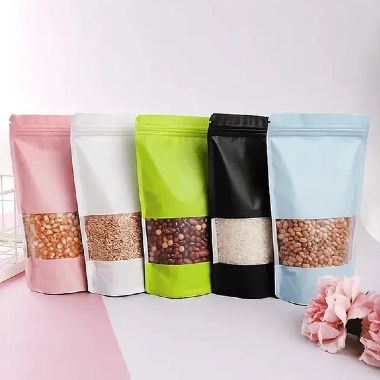
Hermetic Seals: These seals effectively block out moisture, oxygen, and contaminants, ensuring the product remains fresh and unspoiled.
Extended Shelf Life: Ideal for perishable items, heat-sealed bags maintain product integrity by protecting against environmental factors, thus extending shelf life.
Cost-Effective: Heat sealing offers a low-cost solution, especially for smaller to medium-sized production volumes. The process reduces packaging material waste and minimizes labor costs.
Durability: These bags can withstand handling, transport, and storage conditions without breaking, ensuring products stay intact throughout their journey.
Single-Use Limitation: Once a heat seal bag is opened, it cannot be resealed, which may not be suitable for products that require multiple accesses or need to be reused.
Environmental Impact: Although recyclable, heat seal bags contribute to plastic waste. For businesses focused on sustainability, exploring biodegradable or compostable alternatives could help reduce the environmental footprint.
Specialized Equipment Needed: The sealing process requires heat sealing machines, which could represent an additional upfront investment for businesses. Smaller companies with lower production volumes may find this investment difficult to justify.
If your product requires frequent access, or if multi-use packaging is more appropriate, consider alternative options like resealable containers. Additionally, businesses with a strong focus on sustainability can look for eco-friendly heat-seal bags made from biodegradable or recyclable materials.
Shrink film is a flexible plastic material that, when exposed to heat, shrinks tightly around the product. This process is typically done using shrink tunnels, where the film-wrapped product is heated to a temperature that causes the film to contract. The result is a snug, tamper-evident packaging solution. Shrink film is often used for items ranging from food products to electronics and promotional goods. Common types of shrink film include polyolefin, polyethylene, and PVC.
Shrink film is highly effective for products that need both protection and a visually appealing presentation. It works by tightly securing the product inside a protective layer, making it ideal for bundling multiple items or sealing a product for sale.
Versatility: Shrink film is highly adaptable and can be used for a wide range of products, including food, electronics, cosmetics, and more. It’s especially useful for packaging irregularly shaped products.
Tamper-Evident Protection: Because the film tightly shrinks around the product, it provides an immediate visual cue if the packaging has been tampered with. This makes shrink film a great choice for products requiring tamper-evident features.
Affordable and Scalable: For businesses producing large volumes of products, shrink film is a cost-effective solution that offers scalability. The cost per unit decreases as production increases, making it an efficient choice for businesses of all sizes.
Professional Appearance: The clean and smooth finish of shrink film adds to the product’s visual appeal. When displayed on retail shelves, shrink-wrapped products often attract more attention and provide a more professional look.
Environmental Impact: The production of shrink film consumes a considerable amount of energy, and it can contribute to plastic waste if not disposed of properly. However, biodegradable shrink films are emerging as more eco-friendly alternatives.
Machine and Equipment Costs: Shrink film requires specialized machines, like shrink tunnels or heat sealers, which may require a significant upfront investment. This could be a barrier for smaller businesses.
Labor-Intensive: While automation is available for large-scale production, manual shrink wrapping can be labor-intensive, especially when dealing with smaller batches.
Shrink film offers an attractive, tamper-evident solution for products needing protection during transit and display. It's particularly useful for retail and e-commerce businesses where appearance matters and protection is crucial.
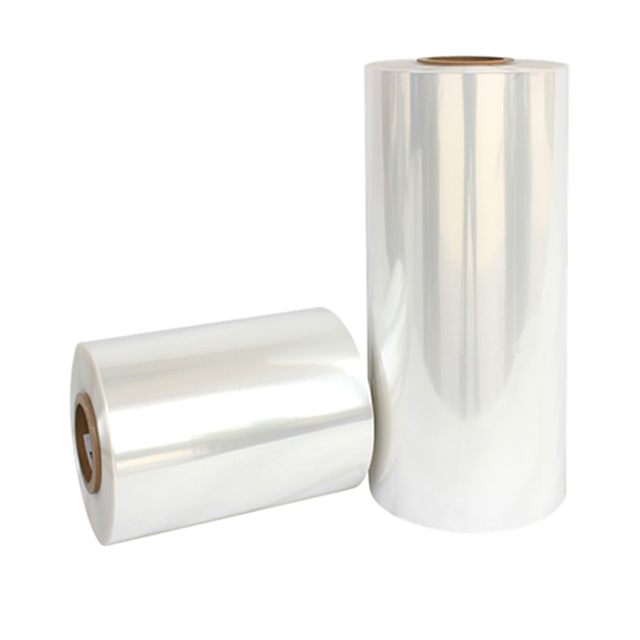
Heat seal bags are ideal for products that need airtight protection, such as food, medical supplies, and industrial hardware. Products that need to remain fresh or sterile will benefit from the secure seals that heat seal bags provide. These bags are perfect for businesses that require reliable packaging for perishable or sensitive goods.
Shrink film is excellent for retail products, especially in e-commerce, where products need protection during shipment or handling. Shrink film is commonly used for items like DVDs, electronics, and bundled food products. Its ability to provide tamper-evident packaging and an appealing presentation makes it a top choice for businesses focused on retail shelf appeal and product security.
| Feature | Heat Seal Bags | Shrink Film |
|---|---|---|
| Primary Use | Food packaging, medical supplies, industrial products | Bundling, retail packaging, e-commerce |
| Protection | Airtight, moisture and contaminant protection | Tamper-evident, moisture, and dust protection |
| Ease of Use | Requires heat sealing machine | Requires shrink tunnels or heat sealers |
| Environmental Impact | Can be recyclable, but contributes to plastic waste | Typically recyclable, biodegradable options available |
| Cost Efficiency | Low cost for small batches, higher upfront equipment cost | Cost-effective for large batches, lower cost per unit at scale |
| Shelf Life Extension | Ideal for extending product shelf life | Ideal for protecting products during transport |
Heat seal bags can be made from recyclable materials, reducing their environmental impact. However, due to their single-use nature and the production process, they still contribute to plastic waste. Businesses looking to reduce their environmental footprint can opt for biodegradable materials, such as biodegradable PE or PP bags, to offer more sustainable packaging options.
Shrink film production requires substantial energy, and like heat seal bags, it contributes to plastic waste. However, more environmentally friendly shrink films are becoming available. These biodegradable options break down more easily in landfills, offering businesses a sustainable alternative that can align with their corporate social responsibility goals.
| Environmental Aspect | Heat Seal Bags | Shrink Film |
|---|---|---|
| Recyclability | Can be recyclable, but may contribute to waste if not disposed of properly | Often recyclable, but biodegradable options are emerging |
| Energy Consumption | Requires minimal energy for production | High energy consumption during production |
| Plastic Waste | Contributes to plastic waste from single-use packaging | Potential for significant plastic waste unless biodegradable options are used |
| Eco-Friendly Alternatives | Biodegradable options are available, but limited | New biodegradable shrink films are being developed to reduce waste |
Heat seal bags are cost-effective, especially for small to medium-sized businesses. While the initial investment in heat sealing machines can be significant, the overall cost of heat-sealed bags is relatively low compared to other packaging methods. For businesses with smaller production volumes, this makes heat seal bags an attractive option.
Shrinking film is affordable for large production runs, but the need for specialized machines—like shrink tunnels—can add to the initial costs. While shrink film requires an investment in equipment, it becomes increasingly cost-effective as production volume rises. It is an excellent choice for businesses that are scaling their production.
| Cost Factor | Heat Seal Bags | Shrink Film |
|---|---|---|
| Initial Equipment Cost | Requires a heat sealing machine, higher upfront costs | Requires shrink tunnel or heat sealer, significant initial investment |
| Cost per Unit | Low for small batches, increases with large scale production | Low cost per unit at high production volumes |
| Labor Costs | Low labor costs due to simple sealing process | Can be labor-intensive for manual shrink wrapping |
| Material Costs | Affordable for small production runs, especially in small batches | Bulk purchasing reduces material costs at scale |
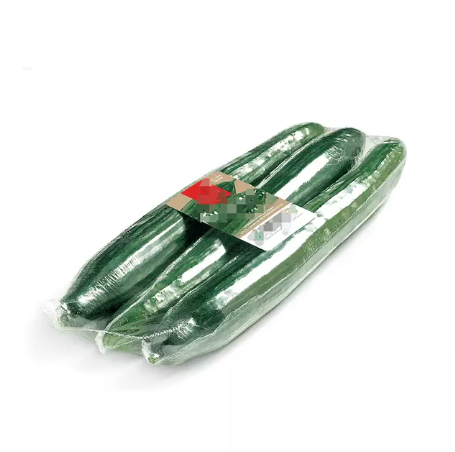
Retailers should evaluate several factors when deciding between heat seal bags and shrink film:
Product size and shape: Heat seal bags are best suited for products that need airtight sealing, while shrink film is ideal for bundling or items requiring protection.
Shelf life: Products that require airtight seals, like perishable goods, should opt for heat seal bags. Shrink film is a good choice for products that are primarily being protected in transit.
Environmental goals: Businesses should be mindful of sustainability and explore eco-friendly options for both heat seal bags and shrink film to align with growing consumer demand for sustainable products.
For example, a company selling fresh snacks might prefer heat seal bags to keep the product fresh. On the other hand, a retailer selling electronics might opt for shrink film to enhance the product's appearance and provide protection during transport.
Both heat seal bags and shrink film offer distinct advantages for retail packaging. Heat seal bags provide airtight protection, making them ideal for products that need to stay fresh. On the other hand, shrink film excels in protecting and enhancing the presentation of products in retail settings. Understanding the pros, cons, and applications of each method enables businesses to select the most suitable packaging solution based on product needs, budget, and environmental goals. Evaluating both heat seal bags and shrink film can help determine the best fit for your business.
Yu Long Packing Co.,Ltd. offers high-quality packaging solutions, ensuring optimal product protection and presentation. Their products are designed to meet diverse business needs, providing both reliability and sustainability for various industries.
A: Heat Seal Bags provide airtight protection ideal for products requiring freshness, while Shrink Film tightly wraps around items for enhanced presentation and tamper-evidence.
A: Use Heat Seal Bags for food and medical products needing airtight seals. Shrink Film is best for retail packaging, e-commerce, and bundling items.
A: Heat Seal Bags are cost-effective for smaller production runs, while Shrink Film is more affordable for larger-scale operations due to lower per-unit costs.
A: Yes, both Heat Seal Bags and Shrink Film can be made from recyclable or biodegradable materials to minimize environmental impact.
A: Heat Seal Bags are ideal for extending shelf life by preventing exposure to contaminants, while Shrink Film protects products during transport but offers less protection for shelf life.


