
- All
- Product Name
- Product Keyword
- Product Model
- Product Summary
- Product Description
- Multi Field Search
Views: 0 Author: Site Editor Publish Time: 2025-11-10 Origin: Site


Have you ever wondered how products achieve that sleek, professional packaging? Center folded heat shrink film is the answer. This versatile material wraps items snugly, enhancing appearance and protection. Choosing the right shrink film is crucial for optimal packaging results. In this post, you'll learn about center folded heat shrink film and how to select the best option for your needs.
Center folded heat shrink film is a type of shrink wrap material folded lengthwise in half before being rolled onto a core. This folding creates a "pocket" effect, allowing products to be placed inside easily before sealing and shrinking. When unfolded, the width doubles compared to the roll width. For example, a 20-inch center folded roll unfolds to 40 inches of film width.
This film shrinks tightly around items when heat is applied, providing protection, bundling, and a neat appearance. It typically seals on three sides—front, back, and one side—making it ideal for packaging products that benefit from a pouch-like wrap. The folding simplifies handling and reduces the need for additional equipment like center folders, which are necessary for single-wound films.
Center folded film is known for:
Lightweight rolls, easier to handle than single-wound rolls.
Space efficiency in storage due to the folded design.
Compatibility with various sealing machines, including L-bar sealers and tabletop sealers.
Versatility in packaging shapes and sizes.
Center folded heat shrink film comes in several materials, each suited for specific packaging needs:
Polyolefin (POF): The most popular choice, polyolefin offers excellent clarity, flexibility, and seal strength. It is food-safe, odorless during sealing, and resistant to temperature fluctuations. POF is a versatile option for electronics, food, cosmetics, and fragile items.
Polyvinyl Chloride (PVC): A cost-effective option with good clarity and shrink properties. PVC is widely used but less environmentally friendly than polyolefin. It works well for products with regular shapes but may emit odors during sealing.
Polyethylene (PE): Known for durability and puncture resistance, polyethylene is suitable for heavier or irregularly shaped products. It offers less clarity than polyolefin but excels in protection.
Each material comes in various gauges (thicknesses), affecting strength, shrink percentage, and cost. Choosing the right material depends on product sensitivity, desired presentation, and production requirements. When selecting center folded heat shrink film, match the material type to your product’s fragility and presentation needs to optimize protection and visual appeal.
When choosing heat shrink film, understanding the difference between center folded and single-wound films is key. Center folded film is folded lengthwise before rolling, creating a "pocket" that makes packaging easier. Single-wound film, on the other hand, is a single flat layer rolled without folding.
Center Folded Film Benefits:
Easier handling due to lighter roll weight.
Space-saving storage since the film is folded.
No need for extra equipment like center folders.
Compatible with many sealing machines like L-bar and tabletop sealers.
Ideal for products needing a pouch-like wrap.
Single-Wound Film Benefits:
Longer roll lengths mean fewer roll changes.
Often preferred for high-speed, high-volume packaging lines.
Better suited for lap seal machines that produce seals on the bottom.
However, single-wound rolls weigh twice as much as center folded rolls of the same width, which can require hoists or extra handling equipment. Also, single-wound film often needs a center folder on the machine to fold the film, adding complexity and maintenance. Center folded film eliminates this step, simplifying operations.
Heat shrink films come in different materials, each with unique properties:
| Material | Characteristics | Common Uses |
|---|---|---|
| Polyolefin | Clear, flexible, strong seals, food-safe, odorless during sealing, temperature resistant | Electronics, food, cosmetics, fragile items |
| PVC | Cost-effective, good clarity, shrinks well, may emit odors during sealing, less eco-friendly | Regular-shaped products, general packaging |
| Polyethylene | Durable, puncture-resistant, less clear, excellent protection | Heavy or irregularly shaped products |
Polyolefin is the most popular choice for center folded films. It offers excellent clarity and flexibility, making products look great while providing protection. It’s also safe for food packaging and handles temperature changes well.
PVC is cheaper but less environmentally friendly. It works fine for simple shapes but may release odors when sealed.
Polyethylene stands out for toughness and puncture resistance, perfect for heavy-duty packaging but offers less transparency.
Choosing the right material depends on your product’s fragility, the look you want, and how you package.
Tip: When deciding between center folded and single-wound films, consider your equipment and desired package look—center folded simplifies handling and suits many machines, while single-wound fits high-speed lines needing longer rolls.
First, think about how you want the final package to look. The type of seal and film can affect the product's presentation on shelves. Center folded film creates a "pouch" style wrap with seals visible on three sides—front, back, and one side. This can give a neat, professional look suitable for many products.
If you prefer the seals to appear differently—such as on the bottom or both sides—you might consider other film types. Also, the film’s clarity and thickness impact how well the product shows through. For example, polyolefin center folded film offers excellent transparency, making it ideal for products where visibility matters.
Next, assess your packaging machinery. Center folded heat shrink film works well with L-bar sealers, tabletop sealers, and side sealers. These machines can handle the folded film easily, sealing three edges efficiently.
However, not all machines are compatible with center folded film. High-speed lines or lap seal machines usually require single-wound film and sometimes additional equipment like center folders. Using center folded film on incompatible machines can cause jams or poor seals.
Check your machine’s specifications to confirm it supports center folded film. Also, consider roll weight and size. Center folded rolls are lighter and easier to handle than single-wound rolls of the same width, which can reduce operator fatigue and improve safety.
Finally, consider your production volume and workflow. Center folded film rolls typically have shorter lengths than single-wound rolls. This means more frequent roll changes, which could slow down very high-volume lines.
If your production is moderate or you prioritize ease of handling and storage, center folded film offers advantages. Its folded design saves warehouse space and simplifies roll loading.
Also, consider the film gauge (thickness). Thicker films provide better protection but cost more and may require higher sealing temperatures. Thinner films save money but might not protect fragile products adequately.
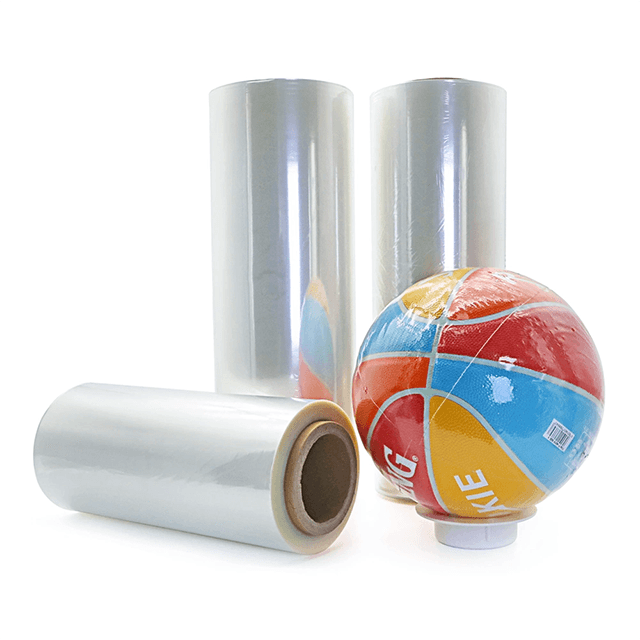
Center folded heat shrink film is designed for simplicity. Because it’s folded lengthwise before being rolled, each roll is lighter and easier to handle than single-wound film of the same width. This reduces strain on operators and lowers the risk of injury during roll changes. The pre-folded design creates a natural “pocket” that makes positioning products straightforward, speeding up packaging and reducing errors.
Unlike single-wound film, which often requires a center folder machine attachment to fold the film during packaging, center folded film eliminates this extra step. This means fewer machine parts to maintain, less setup time, and fewer points where jams or misalignments can occur. It’s compatible with common sealing machines like L-bar sealers and tabletop sealers, making it a versatile and user-friendly choice.
Center folded film offers significant space savings. Because the film is folded before rolling, it takes up less warehouse space compared to equivalent lengths of single-wound film. This compact storage reduces inventory footprint and associated costs.
Additionally, rolls weigh less, easing transportation and handling expenses. Although center folded rolls tend to have shorter footage than single-wound rolls, their lighter weight means you don’t need heavy hoists or special equipment to load them, lowering operational costs.
Moreover, many suppliers stock center folded film in standard sizes and gauges, enabling quicker delivery and less custom ordering. This availability can reduce lead times and help keep production running smoothly.
Center folded heat shrink film adapts well to various products and industries. Its pouch-like wrap suits items needing protection on multiple sides, such as electronics, food, cosmetics, and fragile goods. The three-sided seal it creates offers a neat, professional appearance that enhances shelf appeal.
The film’s compatibility with multiple sealing machines means it can fit into different packaging lines, from manual to semi-automatic setups. This flexibility supports changes in production volume or product types without requiring major equipment upgrades.
Furthermore, center folded film comes in various materials like polyolefin, PVC, and polyethylene, allowing you to tailor protection, clarity, and durability to your product’s needs.
Center folded heat shrink film serves many industries thanks to its unique pouch-like wrap and ease of use. Its versatility makes it a popular choice for packaging a variety of products, protecting them while enhancing presentation.
Center folded film works well for electronics like cables, wires, circuit boards, and small devices. The pouch design allows easy insertion and secure sealing. The film’s clarity shows the product clearly, which helps with identification and display. Polyolefin center folded film is especially favored here because it resists temperature changes and doesn’t emit odors during sealing, protecting sensitive electronics.
The snug shrink wrap bundles items tightly, preventing movement during shipping and reducing damage risk. Its three-sided seal also keeps out dust and moisture, extending product life.
Food packaging benefits from center folded heat shrink film’s food-safe qualities and excellent clarity. It’s commonly used for baked goods, snacks, frozen foods, and beverages. The film’s flexibility accommodates irregular shapes and sizes, while the tight seal helps maintain freshness and hygiene.
For example, pizzas or bakery items can be wrapped in center folded film, sealing on three sides to create an attractive, tamper-evident package. The film’s transparency allows consumers to see the product clearly, boosting shelf appeal.
Center folded polyolefin film is often preferred in food packaging due to its FDA approval and odorless sealing process, which preserves product quality.
Fragile goods like cosmetics, glassware, and delicate gifts also benefit from center folded heat shrink film. The pouch-style wrap cushions items and holds them firmly, reducing movement and breakage during transport.
Cosmetics packaged in clear center folded film look sleek and professional. The film protects against dust and moisture while showcasing labels and branding. Its compatibility with various sealing machines allows flexible packaging line setups, from manual to semi-automatic.
For fragile items, thicker gauge center folded film adds extra protection without sacrificing clarity. It also helps create tamper-evident packaging, reassuring customers about product integrity.
Choosing center folded heat shrink film that supports environmental sustainability is increasingly important. Many manufacturers now offer eco-friendly films designed to reduce environmental impact. These options often include films made from recycled content or those produced using processes that minimize carbon footprint.
One popular choice is shrink film made from post-consumer recycled (PCR) materials. PCR films reuse plastic waste, reducing the need for virgin plastic production. This helps lower resource consumption and decreases landfill waste. Additionally, some films are made from renewable resources or incorporate biodegradable additives that help the film break down more quickly under proper conditions.
When selecting eco-friendly center folded heat shrink film, consider certifications or compliance with environmental standards such as FDA approval for food safety and certifications for biodegradability or recyclability. These guarantees ensure the film meets both sustainability goals and product safety requirements.
Recyclability is a key factor in choosing sustainable heat shrink films. Polyolefin films, commonly used in center folded formats, are widely recyclable through many municipal programs. Their chemical structure allows them to be processed and reused into new packaging or plastic products. This supports a circular economy and reduces plastic waste.
Biodegradable shrink films offer another route to sustainability. These films degrade naturally over time when exposed to specific environmental conditions such as heat, moisture, or microbial activity. However, biodegradability depends on proper disposal methods and industrial composting facilities. It’s important to verify if your local waste management supports these processes before choosing biodegradable films.
In contrast, PVC shrink films generally have limited recyclability and pose greater environmental concerns due to chlorine content and potential toxic emissions during disposal. Polyethylene films may be recyclable but often lack the clarity or heat resistance preferred in many applications.
Balancing film performance with sustainability means selecting materials that protect products effectively while minimizing ecological impact. Polyolefin center folded heat shrink film often strikes this balance well, offering excellent packaging qualities alongside recyclability and availability in eco-friendly variants.
Choosing the right center folded heat shrink film involves understanding the material's properties, machine compatibility, and desired package appearance. Consideration of factors such as product fragility, production requirements, and environmental impact is essential. YULONG offers center folded heat shrink films that provide versatile, eco-friendly packaging solutions, ensuring product protection and enhancing shelf appeal. Their films cater to various industries, offering ease of use and handling while maintaining a commitment to sustainability and quality.
A: Center folded heat shrink film is a shrink wrap folded lengthwise, creating a pocket for easy product insertion before sealing and shrinking.
A: Center folded heat shrink film is easier to handle, requires no extra equipment, and saves space, making it ideal for versatile packaging needs.
A: Polyolefin offers better clarity, flexibility, and is food-safe, while PVC is cost-effective but less eco-friendly and may emit odors when sealed.
A: Center folded heat shrink film simplifies handling, reduces equipment complexity, and provides flexible, space-saving packaging options.


