
- All
- Product Name
- Product Keyword
- Product Model
- Product Summary
- Product Description
- Multi Field Search
Views: 0 Author: Site Editor Publish Time: 2025-11-22 Origin: Site


Fresh produce requires careful packaging to maintain quality and extend shelf life. Did you know that the right shrink film can make a huge difference?
In this article, we will explore the role of perforated shrink film in preserving the freshness of vegetables, fruits, and baked goods. You’ll learn how to choose the right film to enhance both product quality and operational efficiency.
Perforated shrink film is a specialized packaging material with small holes distributed evenly across its surface. These tiny holes are designed to allow air to escape during the shrinking process. The primary function of these perforations is to ensure that air can escape freely, preventing air pockets from forming inside the film and allowing it to fit tightly around the product. This ensures the product is sealed securely, which is essential for maintaining freshness and preventing contamination.
In contrast, standard shrink film lacks these perforations. As a result, non-perforated films trap air inside, causing moisture buildup and spoilage. The absence of airflow can lead to condensation, making it an unsuitable option for fresh produce.
The perforations in shrink film are made using a variety of techniques, such as heated needles or laser technology. When applied to the product, the heat causes the film to shrink, and the perforations allow any trapped air to escape. This method ensures the film wraps tightly and evenly, reducing wrinkles and air pockets that could compromise the product’s packaging.
For produce like cucumbers and tomatoes, which release moisture, perforated shrink film provides the ideal solution by allowing the moisture to escape. This prevents the formation of condensation, which could otherwise lead to mold or bacteria growth.
Perforated shrink film offers multiple advantages, particularly for fresh produce:
Ventilation: The holes allow moisture to escape, keeping the packaging dry and the product fresh.
Mould Prevention: By reducing moisture, the film prevents the growth of mould and bacteria, which is a common problem with packaged vegetables and fruits.
Preservation of Freshness: This type of shrink film helps preserve the product’s appearance and texture, extending shelf life without compromising quality.
Improved Consumer Experience: The breathable nature of perforated shrink film improves the visual and sensory appeal of fresh produce, encouraging customers to purchase.
Choosing perforated shrink film for fresh produce that requires ventilation is crucial. It is particularly effective for vegetables, fruits, and baked goods, where airflow helps keep the products fresh while maintaining their appearance.

Perforated shrink film significantly extends the shelf life of fresh produce by allowing air to circulate and preventing excess moisture from accumulating. This is essential for keeping products like fruits and vegetables fresh for as long as possible. By creating a balanced microenvironment inside the packaging, perforated shrink film helps maintain the ideal conditions for each product, ensuring they remain in optimal condition for extended periods.
For example, fresh vegetables like cucumbers or peppers benefit from this ventilation, as the perforations allow moisture to escape while preventing wilting and spoilage. The right perforated shrink film ensures that the product stays fresh longer, reducing the risk of premature decay.
Mould and bacteria thrive in moist, enclosed environments, making them a significant concern in the packaging of fresh produce. Perforated shrink film helps reduce the risk of these issues by allowing excess moisture to escape, creating a drier environment inside the packaging. This helps prevent mold growth, which can spoil fresh produce.
Leafy greens, such as spinach and lettuce, are particularly susceptible to mold if not properly ventilated. Perforated shrink film ensures these products stay fresh longer by promoting proper airflow and moisture release.
The breathable nature of perforated shrink film enhances the freshness and appeal of packaged produce. It helps maintain the product’s appearance, prevents wilting, and keeps the colors vibrant. Consumers often associate fresh, appealing packaging with higher-quality products, making it a valuable marketing tool.
For example, berries and grapes benefit greatly from perforated shrink film, as the holes allow for air exchange, preventing the fruits from becoming mushy or shriveled. This preserves their visual appeal and texture, encouraging consumers to choose your product over others.
When packaging vegetables, especially those that release moisture, macro perforation is often the best choice. The larger holes in macro perforated films ensure sufficient ventilation, which helps prevent moisture buildup inside the packaging. This is particularly important for vegetables like cucumbers, peppers, and tomatoes, which release moisture and can become susceptible to mould and spoilage without proper ventilation.
For example, cucumbers benefit from macro perforations because they naturally release water and would otherwise create condensation within the packaging. The ventilation helps keep these vegetables fresh by allowing moisture to escape while still protecting them from external contaminants.
For products like bread and other baked goods, hot perforation is typically the best choice. The perforations in hot perforated shrink film allow for moisture balance, preventing the product from becoming too dry or too soggy. This is especially useful for crusty bread, which benefits from slight moisture escape during packaging. The film helps retain the perfect balance of moisture, ensuring the bread remains fresh, soft, and flavorful without drying out.
Choosing the right perforation size is important here as it can affect the product’s texture and shelf life. Larger perforations may be necessary for thicker, crustier baked goods, while smaller perforations work better for softer bread products.
Delicate greens and herbs, such as lettuce or basil, require more controlled airflow. For these types of produce, both hot and macro perforation can be used, depending on the moisture content of the product. Hot perforation is typically best for delicate greens, as it provides just enough ventilation to prevent wilting while maintaining freshness.
For herbs, smaller perforations are often preferred to prevent moisture loss while still allowing for airflow. This ensures that the herbs remain fresh and vibrant without becoming dehydrated.
| Product Type | Perforation Type | Recommended Perforation Size | Key Benefits |
|---|---|---|---|
| Vegetables (Cucumbers, Peppers) | Macro Perforation | Large holes (5-8mm) | Allows air circulation; prevents moisture buildup |
| Baked Goods (Bread) | Hot Perforation | Small holes (1-3mm) | Maintains moisture balance; prevents staleness |
| Greens (Spinach, Lettuce) | Hot Perforation | Tiny holes (1mm) | Prevents wilting; controls moisture |
| Herbs (Basil, Parsley) | Macro or Hot Perforation | Small to medium holes (2-4mm) | Provides controlled airflow to maintain freshness |
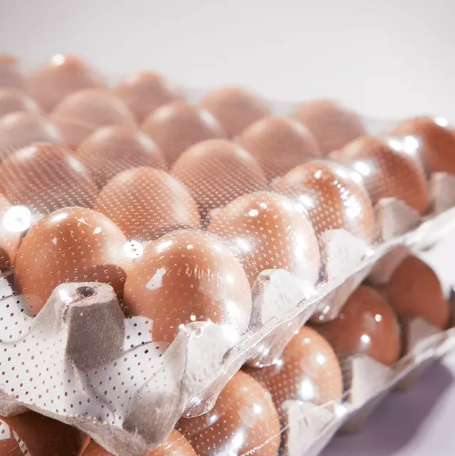
The size and pattern of the perforations are essential factors to consider when selecting perforated shrink film. Larger perforations are better for products with high moisture content, such as cucumbers or tomatoes, as they allow for more air to escape. Smaller perforations work best for products that need more controlled airflow, such as greens or herbs.
The number of holes and their placement should be tailored to the moisture release and freshness requirements of the product. Consistent perforation patterns help ensure even airflow, maintaining product quality across the entire batch.
When selecting perforated shrink film, the material type should align with the product's packaging needs:
Polyolefin: Polyolefin shrink film is known for its excellent clarity and flexibility. It is ideal for products that require a clear view, such as fresh fruits or vegetables.
PVC: PVC is more cost-effective but slightly less transparent. It is commonly used for standard vegetable packaging.
Polyethylene: Polyethylene offers durability and puncture resistance, making it a suitable choice for heavier produce or irregularly shaped items.
Each material has specific advantages, so choose one based on the needs of your product and your business. For high-quality visibility, polyolefin is often the preferred option for fresh produce.
| Material Type | Clarity | Flexibility | Durability | Best For |
|---|---|---|---|---|
| Polyolefin | High | Very flexible | Strong and puncture-resistant | Products requiring high visibility and flexibility |
| PVC | Moderate | Less flexible | Durable but more rigid | Standard vegetable packaging; budget-friendly options |
| Polyethylene | Low | Moderate flexibility | Highly durable and puncture-resistant | Heavy, irregularly shaped produce; shipping materials |
The thickness of the film affects its durability and performance. Thicker films provide more strength and better protection, especially for heavier items. However, thinner films offer greater transparency, which is ideal when the product’s appearance is important. Choosing the appropriate film thickness ensures that the film performs well while still allowing the product to be visible and appealing to customers.
A thicker gauge is ideal for products with rough textures or edges that may otherwise puncture thinner films, while thinner films are better suited for delicate or lightweight items.
Visual appeal is a key consideration when selecting perforated shrink film. Polyolefin shrink film, for example, offers superior clarity, allowing consumers to see the product clearly while also benefiting from ventilation. This makes it an excellent choice for fresh produce that is sold based on its visual appeal.
The clarity of the film enhances the consumer’s ability to inspect the product, improving their buying experience. Transparency is particularly important for high-end products or produce with attractive colors that are a key selling point.
As environmental concerns grow, choosing eco-friendly perforated shrink films is an excellent way to reduce your environmental impact. Many perforated shrink films are now made from biodegradable or recyclable materials, which can help your brand align with sustainable packaging practices. These films reduce plastic waste and offer a more environmentally responsible choice for companies looking to minimize their carbon footprint.
Opting for biodegradable or recyclable shrink film also meets the growing consumer demand for eco-conscious packaging, helping you appeal to environmentally minded customers.
If your brand is focused on sustainability, opt for perforated shrink films made from renewable resources. Choosing biodegradable or recyclable films not only helps meet environmental goals but also appeals to environmentally conscious consumers. In today’s market, sustainability is becoming an increasingly important factor in consumer purchasing decisions.
Looking for certifications such as compostability or recyclability will help ensure that the packaging solution you choose aligns with your brand’s sustainability initiatives, further boosting your brand’s appeal to eco-conscious customers.
When deciding between manual and automatic shrink-wrapping machines, consider your production volume. Manual machines are ideal for smaller batches or less frequent packaging runs, while automatic machines provide speed and efficiency for large-scale operations. The type of machine you use can influence the performance of perforated shrink film, so ensure that your equipment is compatible with the film type.
Ensure that your shrink-wrapping machine is capable of handling perforated shrink film. Machines designed for centerfold films are typically better suited for perforated films, as these machines allow the air to escape through the holes during the shrinking process. Selecting the right machine will help improve efficiency and ensure that the packaging process runs smoothly.
To optimize your packaging process, consider using pre-perforated shrink films, especially if you run high-volume operations. Pre-perforated films save time by eliminating the need for additional perforation steps, reducing downtime and improving packaging speed. They also ensure uniformity in the packaging, leading to a more consistent final product.
Automating the shrink-wrapping process can help reduce labor costs and improve packaging consistency, especially in high-volume production environments.
Choosing the right perforated shrink film for fresh produce is crucial to maintain quality and enhance shelf life. By considering factors like perforation size, material type, and sustainability, businesses can make informed packaging decisions. Selecting the appropriate film ensures products stay fresh longer, improve consumer appeal, and reduce waste. The right packaging solution also boosts operational efficiency and improves product quality.
Testing different perforated patterns helps find the best solution, balancing protection, freshness, and presentation. At Yu Long Packing Co.,Ltd., our products are designed to meet these needs with high-quality, eco-friendly perforated shrink films that improve packaging efficiency and ensure the freshness of your produce. Whether you need to extend shelf life or enhance product visibility, our packaging solutions provide value for your business.
A: Perforated shrink film is a type of packaging material with small holes that allow air to escape during the shrinking process. This helps prevent moisture buildup and keeps products like fresh produce fresh longer.
A: Perforated shrink film helps extend shelf life by allowing moisture to escape, preventing mold and bacteria growth, and maintaining the freshness of fruits, vegetables, and baked goods.
A: Choose based on the product’s moisture content and packaging needs. For moisture-rich items, use larger perforations; for delicate produce, opt for smaller holes.
A: Yes, perforated shrink film works well for various fresh produce, including vegetables, fruits, and baked goods, as it allows for proper airflow and moisture control.
A: Many perforated shrink films are made from recyclable or biodegradable materials, making them a more eco-friendly packaging option compared to non-perforated films.


