
- All
- Product Name
- Product Keyword
- Product Model
- Product Summary
- Product Description
- Multi Field Search
Views: 0 Author: Site Editor Publish Time: 2025-11-06 Origin: Site


Ever wondered why your heat shrink tubing doesn't fit as expected? Choosing the right size is crucial for effective protection and insulation. Understanding the importance of selecting the correct size ensures your cables and wires are securely covered. In this post, you'll learn how to measure accurately, use size charts, and consider shrink ratios to find the perfect fit for your tube heat shrink film applications.
First, measure the diameter of the largest part of the cable or wire bundle. This is crucial because the heat shrink tubing must be large enough to slip over the biggest section before shrinking. Also, measure the smallest diameter where the tubing will fit tightly after shrinking. These two measurements help you find the perfect size tubing that will shrink properly without being too loose or too tight.
For best results, use calipers to measure diameters. Calipers provide precise readings, which are especially important when dealing with irregular shapes or multiple cables bundled together. If calipers aren't available, a ruler or measuring tape can work, but they might not be as accurate.
Heat shrink tubing has two key diameter measurements:
Unshrunk Diameter: The inner diameter before heating, which must be slightly larger than the largest cable diameter to allow easy installation.
Shrunk Diameter: The diameter after heating, which should be smaller than the smallest cable diameter to ensure a tight, protective fit.
When selecting tubing, aim for an unshrunk diameter about 25% larger than your largest measurement. This allows the tubing to slide on easily but still shrink tightly around the cable. The shrunk diameter should match or be just smaller than the smallest part of your cable bundle.
Suppose your cable's largest diameter is 8 mm. Choose tubing with an unshrunk diameter around 10 mm (which is about 25% larger). After shrinking, the tubing might reduce to around 5 mm, tightly gripping the cable. This ensures protection without damaging the cable.
| Step | Action | Reason |
|---|---|---|
| Measure largest diameter | Use calipers for accuracy | To ensure tubing slides over easily |
| Measure smallest diameter | Use calipers or ruler | To ensure tubing shrinks tightly |
| Select unshrunk diameter | About 25% larger than largest measurement | For easy installation and fit |
| Check shrunk diameter | Smaller than smallest measurement | For tight, secure fit |
Following these steps guarantees you pick heat shrink tubing that fits well, protects effectively, and lasts longer. Always measure the largest and smallest cable diameters using calipers to select tubing that fits snugly before and after shrinking, ensuring optimal protection and durability.
Selecting the right heat shrink tubing size can be much easier by using a heat shrink size chart. These charts give you detailed information about the tubing’s unshrunk and shrunk diameters, shrink ratios, and sometimes even materials and part numbers. Here’s how to use one effectively for your application.
Start by identifying the largest diameter of the cable or wire bundle you need to cover. The tubing’s unshrunk diameter must be slightly larger than this measurement to allow easy installation. Next, check the smallest diameter where the tubing will fit tightly after shrinking. This ensures a secure, protective fit.
A heat shrink size chart lists tubing sizes by their unshrunk inner diameter and the diameter after shrinking. It often includes the shrink ratio, which tells you how much the tubing will contract. Using this data, you can match your cable measurements to the tubing that will fit best.
A good rule of thumb is to select tubing with an unshrunk diameter about 25% larger than your largest cable diameter. This “wiggle room” makes it easier to slide the tubing over connectors, irregular shapes, or bundled cables.
For example, if your cable’s largest diameter is 8 mm, look for tubing with an unshrunk diameter around 10 mm. This size will slide on without force and shrink down to fit snugly.
The shrunk diameter on the chart should be smaller than or equal to the smallest diameter of your cable bundle. This ensures the tubing contracts tightly, providing protection and insulation.
If the shrunk diameter is too large, the tubing will be loose and less effective. If it’s too small, the tubing might not fit or could damage the cable during shrinking.
Measure the largest and smallest cable diameters precisely using calipers.
Find the unshrunk diameter on the chart that is about 25% larger than your largest measurement.
Check the shrunk diameter to confirm it fits snugly around the smallest cable diameter.
Consider the shrink ratio to ensure the tubing can shrink enough for your application.
Review material options if available, to match environmental or mechanical needs.
| Cable Diameter (mm) | Recommended Unshrunk Diameter (mm) | Shrunk Diameter (mm) | Shrink Ratio |
|---|---|---|---|
| 8 | 10 | 5 | 2:1 |
| 12 | 15 | 7.5 | 2:1 |
| 20 | 25 | 12.5 | 2:1 |
Using this method ensures your tubing fits well before and after shrinking, avoiding installation problems and improving durability. Always pick heat shrink tubing with an unshrunk diameter about 25% larger than your largest cable measurement to guarantee easy installation and a secure fit after shrinking.
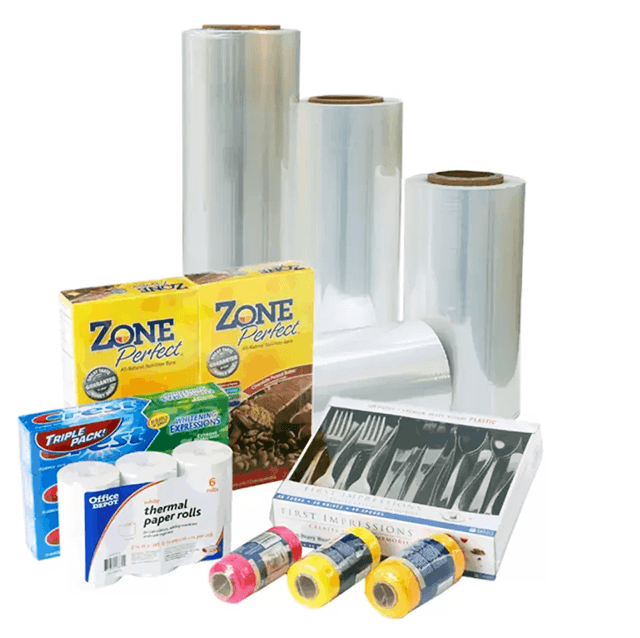
The shrink ratio is a number that shows how much the tubing will contract when heated. It’s usually written as a ratio like 2:1, 3:1, or 4:1. For example, a 2:1 shrink ratio means the tubing will shrink to half its original diameter after heating. Similarly, a 3:1 ratio means it will shrink to one-third its original diameter.
This ratio helps you know how big the tubing should be before shrinking to fit tightly around your cables after shrinking.
2:1 Shrink Ratio: The most common type. Tubing shrinks to half its original diameter. It’s great for cables with fairly consistent sizes.
3:1 Shrink Ratio: Shrinks to one-third its original diameter. It’s ideal for cables or bundles with uneven diameters or irregular shapes.
4:1 Shrink Ratio: Shrinks to one-quarter its original diameter. Used for very uneven or large diameter differences, offering more flexibility.
Each ratio gives a different amount of shrinkage, so you can choose tubing that best fits your cable’s size range.
Shrink ratio affects two main things:
Size Flexibility: Higher shrink ratios (like 3:1 or 4:1) allow tubing to fit over larger or oddly shaped cables since they shrink more. Lower ratios like 2:1 fit better on cables with less size variation.
Installation Ease: Tubing with a larger shrink ratio may be harder to install because it starts bigger and shrinks more. Tubing with a smaller ratio is easier to handle but less forgiving for size differences.
When choosing tubing, measure your cable's largest and smallest diameters. Then pick tubing with a shrink ratio that lets the tubing shrink enough to fit tightly but not so much that it tears or doesn’t cover the cable properly. Always select heat shrink tubing with a shrink ratio that allows the tubing to shrink between 20% and 80% of its full shrink capacity for a secure, durable fit.
Selecting the right heat shrink tubing size is important, but choosing the right material is just as crucial. The tubing material affects durability, flexibility, and resistance to environmental challenges. Let’s explore common materials and key environmental factors to consider.
Polyolefin: The most common heat shrink tubing material. It offers excellent flexibility, good chemical resistance, and is suitable for most general applications. Polyolefin shrinks evenly and provides strong insulation.
PVC (Polyvinyl Chloride): Known for its clarity and flame retardant properties. PVC tubing works well where visibility of the wires inside matters. It’s less flexible than polyolefin but is cost-effective.
PTFE (Polytetrafluoroethylene): A high-performance fluoropolymer. PTFE tubing is highly resistant to chemicals, heat, and has a low coefficient of friction. Ideal for harsh chemical environments or high-temperature applications.
Viton: A fluoroelastomer tubing with excellent fluid resistance, especially against fuels and oils. It’s also flame retardant and suitable for automotive or aerospace uses.
Fabric: Made from woven polyolefin and polyester yarns, fabric tubing offers superior abrasion resistance. It’s perfect for protecting cables exposed to mechanical wear.
Dual Wall Tubing: Features an outer heat shrink layer and an inner adhesive layer. It provides waterproof sealing and EMI shielding, great for protecting sensitive electronics.
Temperature Range: Some materials handle high heat better than others. PTFE, for example, withstands extreme temperatures, while PVC is better for moderate temperatures.
Chemical Resistance: If tubing will contact oils, fuels, or solvents, choose materials like Viton or PTFE. Polyolefin offers good general chemical resistance but may not suit aggressive chemicals.
Flexibility: Applications requiring frequent bending or movement benefit from flexible materials like polyolefin or fabric tubing. Rigid materials may crack under stress.
Flame Retardancy: For electrical safety, flame-retardant materials such as PVC or specially formulated polyolefin should be considered.
Moisture Protection: Dual wall tubing with adhesive inner layers seals out moisture and dust, protecting connections in damp environments.
Dust and Particulate Exposure: Tubing with tight shrink ratios and good adhesion prevents dust ingress, maintaining electrical insulation.
Temperature Fluctuations: Materials must tolerate expansion and contraction without cracking. Polyolefin’s flexibility often suits temperature changes well.
UV and Weather Resistance: Outdoor applications require materials resistant to UV light and weathering. Some polyolefin formulations include UV stabilizers.
Selecting tubing material considering these factors ensures long-lasting protection and reliable performance in your specific environment. Match heat shrink tubing material to your environment’s temperature, chemical exposure, and flexibility needs to maximize durability and protection.
Before installation, clean the cable or wire surface thoroughly. Remove dirt, oils, and moisture to help the tubing adhere properly and prevent damage. Cut the tubing to a length slightly longer than the area to cover, accounting for any length shrinkage during heating (covered in a later section).
Slide the tubing onto the cable or wire before connecting or assembling parts. Never try to force tubing over connectors or sharp edges, as this can cause tears during shrinking. If the tubing feels tight, check if the size is correct — it should slide on easily when unshrunk.
Inspect the tubing for any damage or defects before use. Damaged tubing may not shrink properly or could fail to protect the cable.
Use a heat gun or oven designed for heat shrink tubing to apply heat evenly. Move the heat source slowly around the tubing’s circumference to avoid overheating one spot.
Start heating from the center and work toward the edges. This helps the tubing shrink uniformly and prevents wrinkles or air pockets.
Maintain the recommended temperature range specified by the tubing manufacturer. Too low a temperature may leave the tubing partially shrunk, while too high can cause burns or splits.
Avoid direct flame contact, which can damage the tubing or underlying cable insulation.
Forcing the tubing: Stretching or forcing the tubing over cables can cause tears or uneven shrinking.
Uneven heating: Holding the heat source in one spot too long causes burns or weak spots.
Cutting tubing too short: Tubing shrinks in length during heating; cutting too short leaves parts exposed.
Ignoring sharp edges: Installing tubing over sharp edges without protection can puncture or split it.
Skipping surface prep: Dirt or moisture on cables prevents proper adhesion and reduces protection.
Using wrong size: Tubing too small won’t fit; too large won’t shrink tightly, compromising protection.
Following proper preparation, heating, and handling guidelines ensures heat shrink tubing fits snugly, seals well, and lasts longer. Always heat shrink tubing evenly by moving the heat source around the tubing slowly, preventing burns and ensuring a smooth, tight fit.
When working with heat shrink tubing, it’s important to understand that it doesn’t just shrink in diameter—it also shrinks in length. This length change, called longitudinal shrinkage, affects how much tubing you need to cut before installation.
Heat shrink tubing contracts along its length as it heats and shrinks around the cable or wire. The amount of length shrinkage depends on the tubing’s material and shrink ratio. Generally, tubing can shrink up to about 5% to 10% of its original length, but this varies by product.
Some types might even slightly grow in length, though that’s less common. Because of this, always check the manufacturer’s specifications for the expected longitudinal shrinkage percentage.
To ensure the tubing fully covers the area you want to protect, you must cut it longer than the target length. Use this formula to calculate the cut length:
Cut Length = Desired Coverage Length ÷ (1 - Longitudinal Shrinkage Rate)
For example, if you need to cover 10 inches and the tubing shrinks 5% in length, calculate:
Cut Length = 10 ÷ (1 - 0.05) = 10 ÷ 0.95 ≈ 10.53 inches
So, cut about 10.5 inches of tubing to cover 10 inches after shrinking.
Ignoring length shrinkage can leave parts of the cable exposed after shrinking. This is especially critical for long runs or when covering connectors and splices.
Always:
Consult product datasheets for longitudinal shrinkage data.
Add extra length based on the shrinkage rate.
Consider the shape and complexity of the cable bundle, as uneven heating can affect shrinkage.
If you’re unsure about the exact shrinkage, consult a Field Applications Engineer or the tubing supplier for guidance. Always cut heat shrink tubing longer than the coverage length by accounting for longitudinal shrinkage to ensure complete protection after shrinking.
Choosing the correct size of heat shrink tubing involves measuring the largest and smallest cable diameters accurately. Use calipers for precision and select tubing with an unshrunk diameter about 25% larger than the largest measurement. Understanding shrink ratios and accounting for longitudinal shrinkage ensures a snug fit and effective protection. Consider material and environmental factors for optimal durability. YULONG offers high-quality heat shrink tubing that meets diverse application needs, providing reliable protection and value for your projects.
A: Heat shrink film tubing is a type of plastic tube that shrinks in diameter when heated, providing insulation and protection for cables and wires.
A: Measure the largest and smallest diameters of your cable using calipers to ensure the heat shrink film tubing fits snugly before and after shrinking.
A: Choosing the correct size ensures the heat shrink film tubing provides effective protection and insulation without being too loose or damaging the cables.


