
- All
- Product Name
- Product Keyword
- Product Model
- Product Summary
- Product Description
- Multi Field Search
Views: 0 Author: Site Editor Publish Time: 2025-11-23 Origin: Site


Did you know that small adjustments in your heat tunnel settings can make or break your packaging quality? Improper temperature, airflow, or conveyor speed could lead to defects like wrinkles or burns on your shrink-wrapped products.
In this guide, we’ll explore how to troubleshoot and fine-tune your heat tunnel settings to achieve consistent, high-quality shrinkage across different shrink films. You’ll learn how to identify and solve common packaging issues, optimizing every aspect of the shrink-wrapping process.
Shrink films are made of specialized polymers that are designed to shrink when exposed to heat. The molecular structure of these films contains cross-linked chains that become mobile when heated, allowing the film to return to its pre-stretched state. This molecular memory is the key to how shrink films shrink tightly around the product, forming a protective layer.
The thermal properties of shrink films vary depending on their chemical composition. For example, polyolefin films have higher resistance to heat fluctuations, making them suitable for high-speed packaging lines. PVC films, on the other hand, require lower temperatures and are more sensitive to heat. Understanding these properties will help you adjust your heat tunnel settings to prevent overheating or under-shrinking, ensuring that each film reacts optimally under heat exposure.
By considering the molecular structure and thermal behavior of shrink films, you can fine-tune the heat tunnel settings for the best possible shrinkage results. It’s also important to check the specific temperature requirements for each film type.
There are several types of shrink films, each with its own unique properties and behaviors under heat. Polyolefin films are commonly used in packaging due to their excellent clarity, higher resistance to heat fluctuations, and flexibility. PVC films have a lower heat resistance, meaning they require lower temperatures and are often used for lightweight products. Meanwhile, polyethylene films are durable and are great for larger or bulkier products, but they need higher temperatures for effective shrinkage, especially in thicker gauges.
To ensure the best shrinkage, you must adjust your heat tunnel settings to suit the specific shrink film you are using. Thicker films like polyethylene will require higher temperatures and longer exposure times compared to thinner polyolefin films, which perform better at lower temperatures.
By aligning your heat tunnel settings with the specific film composition, you can avoid over-shrinking or under-shrinking, ensuring that the shrinkage is uniform across the entire product.
| Film Type | Thermal Properties | Ideal Use | Heat Requirements |
|---|---|---|---|
| Polyolefin | High resistance to heat fluctuations | Ideal for high-speed lines, durable and clear | Moderate heat, 160-180°C (320-356°F) |
| PVC | Lower heat resistance | Suitable for lightweight products | Low heat, around 150-160°C (302-320°F) |
| Polyethylene | Highly durable, thicker material | Best for large or bulkier products | Higher temperatures, 180-200°C (356-392°F) |
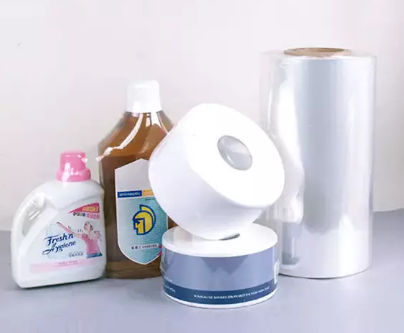
Lighter shrink films in the 50-70 micron range typically perform best at heat tunnel temperatures between 160-180°C (320-356°F). These films are thinner, so they require shorter exposure times, usually between 2-3 seconds. Because thinner films tend to shrink faster, it's crucial to maintain consistent airflow and ensure even temperature distribution within the tunnel.
To avoid uneven shrinkage or other imperfections, ensure that the temperature is consistent throughout the heat tunnel. Modern tunnels equipped with multiple temperature zones allow for gradual heating, which helps reduce thermal shock and ensures smooth shrinkage.
For lighter films, always monitor the temperature zones closely, and adjust airflow to guarantee uniform heat distribution across the film.
Thicker shrink films (80-100 microns) require higher temperatures for optimal shrinkage. These films typically perform best at temperatures between 180-200°C (356-392°F), and their exposure time should be between 3-4 seconds. The increased thickness of the film demands more heat and a longer exposure time to achieve uniform shrinkage.
Thicker films benefit greatly from pre-heating zones in the heat tunnel. These zones gradually increase the film’s temperature, preventing thermal shock and ensuring the film shrinks evenly across all areas. It's important to ensure that the heat is evenly distributed throughout the tunnel, as uneven heat can lead to defects in the shrinkage.
Adjusting the conveyor speed and temperature for these films is essential for achieving the best results. Make sure to slow down the conveyor speed to allow more exposure time for thicker films, as this will help with the uniform shrinkage.
| Film Thickness | Temperature Range | Exposure Time | Key Adjustments |
|---|---|---|---|
| 50-70 Micron Films | 160-180°C (320-356°F) | 2-3 seconds | Ensure consistent airflow and even heat distribution. |
| 80-100 Micron Films | 180-200°C (356-392°F) | 3-4 seconds | Use pre-heating zones and monitor temperature zones carefully. |
Causes: Wrinkling or uneven shrinkage typically occurs when the heat tunnel temperature is too low or if airflow is inconsistent. Insufficient heat can leave parts of the film slack or wrinkled, while uneven heat exposure can result in a patchy shrinkage pattern.
Solution: Ensure that the heat is evenly distributed across the product and that the temperature is appropriate for the thickness of the shrink film. Check that the airflow is consistent throughout the heat tunnel. Adjust the temperature and airflow settings to eliminate uneven shrinkage.
Regularly inspect the temperature zones of the heat tunnel and ensure no zones are underperforming. For films with greater thickness, be sure to adjust the exposure time accordingly to allow for adequate shrinkage.
Causes: Overheating the shrink film often leads to burning or damage. This typically happens when the heat tunnel temperature exceeds the required level for the film material. Excessive heat can cause the film to shrink too aggressively, leading to holes, tears, or other damage.
Solution: Lower the temperature gradually and adjust the exposure time to find the optimal setting. Make sure the heat is applied uniformly and that the temperature stays within the recommended range for the film type. Testing the settings with smaller batches first will help avoid wasting material.
By starting with a lower temperature and increasing it incrementally, you can find the perfect balance for each type of shrink film without damaging it.
| Issue | Cause | Solution |
|---|---|---|
| Wrinkling or Uneven Shrinkage | Insufficient heat or uneven airflow | Ensure even heat distribution and consistent airflow. |
| Burning or Film Damage | Excessive heat exposure | Lower temperature and incrementally test the settings. |
Ambient temperature plays a critical role in how shrink films perform. In colder environments, the heat tunnel may need to be adjusted to higher temperatures to compensate for heat loss. On the other hand, in warmer climates, the heat tunnel may need to operate at lower temperatures to prevent overheating or excessive shrinkage.
Solution: Adjust heat tunnel settings according to the ambient temperature. In colder environments, you may need to slightly raise the temperature to maintain proper heat exposure, while in warmer conditions, reducing the temperature can help prevent over-shrinking.
Monitoring the surrounding temperature regularly is key to maintaining the right heat tunnel settings.
Humidity affects the behavior of shrink films during heat exposure. In high-humidity environments, the film may take longer to shrink and require adjustments in temperature or airflow. Excess moisture in the air can also cause condensation, affecting the film's ability to adhere properly.
Solution: Monitor and control humidity levels within the facility. If the humidity is too high, consider increasing airflow or adjusting the heat settings to ensure consistent shrinkage.
By controlling both humidity and airflow, you can ensure that your shrink films perform consistently, regardless of external environmental factors.
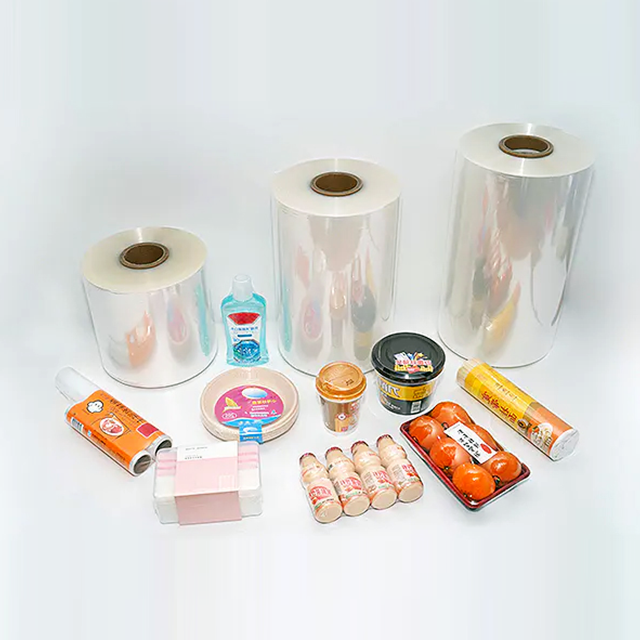
The conveyor speed directly affects how long the product stays inside the heat tunnel, and therefore how long it is exposed to heat. Faster conveyor speeds result in shorter exposure times, while slower speeds allow more time for heat to be applied. Adjusting the speed is essential for ensuring the shrink film shrinks properly.
Solution: Adjust the conveyor speed to ensure the right amount of exposure time for each product. Lighter products can move through the tunnel faster, while heavier or bulkier items may require a slower speed to allow for more shrinkage.
By carefully balancing conveyor speed with shrink film thickness and product size, you can ensure the most effective shrinkage.
Airflow is vital for distributing heat evenly across the film. If the airflow is uneven, parts of the film may shrink more than others, leading to defects such as wrinkles or cold spots.
Solution: Adjust fan speed and the direction of airflow based on the product's shape and the type of shrink film being used. For larger or bulkier items, higher airflow is required to ensure the heat is distributed properly. For smaller or more delicate products, you may want to reduce the airflow to avoid damage.
Properly adjusting airflow and fan speed will help achieve even shrinkage and enhance the overall packaging quality.
Routine maintenance of heat tunnel equipment is essential for ensuring that the temperature remains accurate and the system operates efficiently. Without proper calibration and regular checks, components such as temperature sensors and heating elements may degrade, affecting performance.
Solution: Schedule regular maintenance to calibrate sensors, inspect heating elements, and check airflow systems. This will help ensure consistent shrinkage quality.
By establishing a preventive maintenance routine, you can avoid issues with heat tunnel performance and keep the system in optimal working condition.
Regular maintenance is essential to avoid unexpected downtime and ensure consistent shrinkage results. An organized maintenance schedule can prevent malfunctions and help maintain the equipment’s longevity.
Solution: Implement a maintenance schedule that includes daily inspections, weekly checks, and annual cleaning. Ensure that high-wear components such as heating elements and temperature sensors are regularly checked for performance.
Tip: Regular maintenance reduces downtime and improves the reliability of heat tunnel systems, leading to better shrinkage results.
Troubleshooting heat tunnel settings for different shrink films is crucial for consistent, high-quality shrinkage. By understanding the film's properties and adjusting settings for environmental factors, you can achieve optimal shrinkage results. Regular maintenance and monitoring are key to preventing issues.
Yu Long Packing Co.,Ltd. offers high-performance packaging solutions with advanced heat tunnel systems that ensure excellent shrinkage quality for a wide range of shrink films.
A: The ideal heat tunnel settings depend on the shrink film's type and thickness. For 50-70 micron films, temperatures of 160-180°C (320-356°F) work best, while 80-100 micron films require 180-200°C (356-392°F).
A: Heat tunnel settings directly impact shrinkage quality. Proper temperature, airflow, and exposure time ensure uniform shrinkage, preventing wrinkles and burns.
A: Wrinkles or uneven shrinkage occur when the heat tunnel settings are inconsistent. Adjusting temperature and airflow can resolve these issues.
A: Adjust heat tunnel settings regularly, especially when using different shrink films or experiencing environmental changes to maintain optimal shrinkage quality.
A: Airflow ensures even heat distribution, helping to achieve consistent shrinkage across the shrink film. Improper airflow can lead to wrinkles or cold spots.


