
- All
- Product Name
- Product Keyword
- Product Model
- Product Summary
- Product Description
- Multi Field Search
Views: 0 Author: Site Editor Publish Time: 2025-10-30 Origin: Site


Have you ever wondered how products stay secure and pristine during shipping? The secret often lies in PE heat shrink film. This versatile packaging solution is essential for protecting and bundling items. In this post, you'll learn what PE heat shrink film is and its vital role in the packaging industry.
PE heat shrink film is a type of plastic film made from polyethylene that shrinks tightly around objects when heated. This shrinking action helps secure, protect, and bundle items, especially in packaging. The film is flexible, durable, and resistant to tearing, making it ideal for wrapping products of various shapes and sizes.
The key property of PE heat shrink film is its ability to shrink uniformly when exposed to heat. This happens because the film is stretched during manufacturing, creating tension in the polymer chains. When heated, these chains return to their original, unstretched state, causing the film to shrink and conform closely to the wrapped object.
PE heat shrink film offers excellent impact resistance and moisture protection. It also resists punctures and tears, which helps keep products safe during shipping and storage.
Polyethylene, the base material of PE heat shrink film, is a thermoplastic polymer made by polymerizing ethylene molecules. The most common types used are:
Low-Density Polyethylene (LDPE): Provides flexibility and softness. It is easy to handle and offers good clarity.
Linear Low-Density Polyethylene (LLDPE): Adds strength and puncture resistance. It is tougher than LDPE but still flexible.
These two types can be used alone or combined in multilayer films to achieve a balance of strength, flexibility, and shrink performance.
There are also variations in the film based on cross-linking:
Cross-Linked PE Film: Undergoes a process that links polymer chains, enhancing strength, heat resistance, and puncture resistance. Ideal for heavy-duty packaging.
Non-Cross-Linked PE Film: More flexible and cost-effective, suitable for general packaging needs.
The chemical structure and processing methods determine the film’s shrink ratio, clarity, and mechanical properties. This allows manufacturers to tailor films for specific applications, from food packaging to industrial use.
The process begins with melting polyethylene resin pellets. This molten resin is pushed through a circular die in an extrusion machine, forming a continuous tube or flat sheet of film. The extrusion temperature and speed are carefully controlled to ensure consistent thickness and quality. This raw film is still soft and flexible but has no shrink properties yet.
Next comes the critical step called orientation. The film is stretched while still hot, usually in two directions: machine direction (lengthwise) and transverse direction (widthwise). This stretching aligns the polymer chains and creates tension inside them. When the film cools down after stretching, these chains are locked in an extended state.
When heat is applied later during packaging, the polymer chains try to return to their original relaxed state. This causes the film to shrink tightly around the product. The degree of stretching during orientation determines the shrink ratio — how much the film will shrink when heated. Manufacturers can control this to produce films with different shrink properties for various applications.
After orientation, the film is cooled quickly to fix its stretched structure. It then passes through rollers that smooth and flatten it. Finally, the finished film is wound onto large rolls. These rolls are ready for shipment or further processing, such as printing or slitting into smaller sizes.
The entire manufacturing process requires precise control to achieve the right balance between strength, clarity, flexibility, and shrink performance. Different polyethylene grades and additives may be used depending on the final product's needs.
Tip: Monitor extrusion temperature and stretching speed closely during manufacturing to ensure consistent shrink ratios and film quality for reliable packaging performance.
Cross-Linked PE Heat Shrink Film: Cross-linking creates bonds between polymer chains, enhancing the film’s strength and heat resistance. This process improves puncture resistance and toughness, making the film ideal for heavy-duty packaging. It handles rough handling and sharp edges better than non-cross-linked films. Cross-linked films shrink uniformly and maintain their protective qualities even under high temperatures.
Non-Cross-Linked PE Heat Shrink Film: This type is not chemically bonded between polymer chains, so it remains more flexible and softer. It is easier to process and generally costs less. Non-cross-linked films suit everyday packaging tasks where extreme durability is not necessary. They shrink well but have lower puncture resistance compared to cross-linked films.
| Feature | Cross-Linked PE Film | Non-Cross-Linked PE Film |
|---|---|---|
| Strength | High | Moderate |
| Heat Resistance | Excellent | Good |
| Puncture Resistance | High | Lower |
| Flexibility | Moderate | High |
| Cost | Higher | Lower |
| Typical Use | Heavy-duty packaging | General packaging |
Multilayer PE films combine different types of polyethylene layers to optimize performance. For example, a film may have an outer layer of tough LLDPE for strength and an inner layer of soft LDPE for flexibility and clarity. This layering enhances shrink properties, impact resistance, and moisture barrier capabilities.
Multilayer films allow manufacturers to tailor shrink films for specific products, balancing durability, flexibility, and cost. For instance, food packaging may require multilayer films to provide moisture protection and maintain product freshness, while industrial packaging might prioritize puncture resistance.
Multilayer PE films often use co-extrusion technology, where multiple polyethylene resins are extruded simultaneously to form a single film with distinct layers. This advanced manufacturing process improves film performance without significantly increasing thickness or weight.
Applications of Different Types:
Cross-linked films: Packing heavy machinery, metal parts, or glass bottles.
Non-cross-linked films: Shrinking beverage multipacks or lightweight consumer goods.
Multilayer films: Food products needing freshness and protection, or products requiring both clarity and strength.
PE heat shrink film serves many industries due to its protective and flexible nature. Its ability to tightly wrap products ensures safety, cleanliness, and improved presentation. Here’s a closer look at where and how it's commonly used.
PE heat shrink film is widely used in packaging beverages like bottled water, soft drinks, and alcoholic drinks. It bundles multipacks securely, preventing bottles or cans from shifting or breaking during transport. The film’s moisture resistance keeps products dry and safe from contamination.
In food packaging, PE shrink film wraps fresh produce, frozen foods, and bakery items. Its tight seal preserves freshness and extends shelf life by protecting against air, dust, and microbes. The film’s flexibility allows it to conform to irregular shapes like fruit bunches or trays of baked goods.
Examples include:
Multipacks of bottled soft drinks or mineral water
Wrapping trays of fresh fruits and vegetables
Packaging frozen meat or seafood for retail sale
Beyond food and beverages, PE heat shrink film protects industrial goods during storage and shipment. It bundles metal parts, machinery, and building materials, guarding against dust, moisture, and scratches. Its tear resistance helps withstand rough handling.
In commercial settings, the film wraps textiles, furniture, and consumer electronics. It secures products on pallets, making loading and unloading safer and more efficient. PE heat shrink film is also used in pharmaceutical packaging to ensure tamper evidence and hygiene.
Typical industrial applications include:
Wrapping metal pipes and automotive parts
Palletizing boxes of electronics or household goods
Securing textiles and fabric rolls for shipment
PE heat shrink film offers advantages over other shrink films such as PVC and PET:
| Feature | PE Heat Shrink Film | PVC Shrink Film | PET Shrink Film |
|---|---|---|---|
| Environmental Impact | More eco-friendly, recyclable | Releases harmful chemicals when burned | Less flexible, harder to process |
| Flexibility | High, adapts to product shapes | Moderate | Low, stiff |
| Cost | Generally lower | Moderate | Higher |
| Clarity | Good | Excellent | Excellent |
| Heat Resistance | Good | Moderate | High |
PE film is preferred for its balance of flexibility, cost-efficiency, and environmental benefits. It shrinks uniformly without brittleness, making it suitable for delicate or irregular products. PVC films, while clear, pose environmental concerns. PET films offer clarity but lack flexibility and cost-effectiveness.
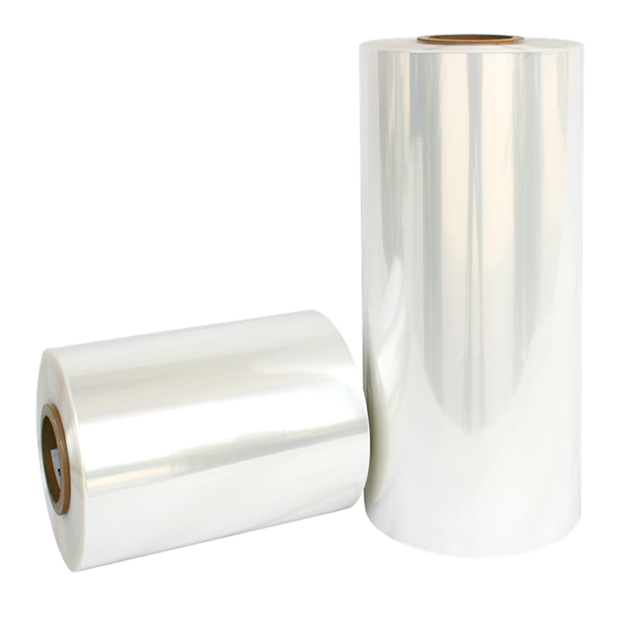
PE heat shrink film offers several advantages that make it a preferred choice in packaging across many industries. Its unique combination of durability, flexibility, and environmental benefits helps businesses protect products efficiently and economically.
One of the top benefits of PE heat shrink film is its excellent durability. The film resists tears, punctures, and abrasions, which is crucial during shipping and handling. This toughness helps keep products safe from damage caused by rough surfaces, sharp edges, or accidental impacts.
Despite its strength, PE heat shrink film remains highly flexible. It stretches and conforms closely around items of various shapes and sizes, ensuring a snug fit. This flexibility allows it to wrap irregular or delicate products without cracking or breaking. The film’s elasticity also helps absorb shocks, reducing the risk of damage inside the packaging.
The balance of toughness and stretchability means PE shrink film can secure products firmly while adapting to different packaging needs. This makes it suitable for everything from fragile glass bottles to heavy machinery parts.
PE heat shrink film stands out for its environmental benefits compared to other shrink films like PVC or PET. Polyethylene is widely recyclable, and many recycling programs accept PE film waste. This helps reduce landfill waste and supports sustainable packaging efforts.
Additionally, PE film production typically consumes less energy and produces fewer harmful emissions than alternative materials. It does not release toxic fumes when burned, unlike PVC, making it safer for the environment and workers.
From a cost perspective, PE heat shrink film is generally more affordable than PET and PVC films. Its efficient manufacturing process and lower raw material costs translate to savings for businesses. The film's lightweight nature also reduces shipping weight, cutting transportation expenses.
Moreover, its high shrink ratio means less film is needed to cover products, further lowering material costs. The film’s durability reduces product damage and returns, saving money on replacements and improving customer satisfaction.
First, assess the nature of the product you want to package. Fragile items like glass bottles or electronics need thicker, more durable films to prevent damage. Heavy or sharp-edged goods require cross-linked films for better puncture resistance. For lightweight or flexible products, non-cross-linked films often suffice.
Also, consider the environmental conditions during transport and storage. High humidity or exposure to moisture calls for films with strong moisture resistance. If the packaging must endure rough handling, durability and tear resistance become top priorities. Cost is another factor. While cross-linked films offer superior protection, they come at a higher price. Balancing cost with protection needs helps optimize your packaging budget.
The film’s thickness directly affects its strength and flexibility. Thicker films provide better protection but may be less flexible and more expensive. Typical thickness ranges from 30 to 100 microns, depending on the application.
Shrink ratio refers to how much the film shrinks when heated. A higher shrink ratio means the film can tightly conform to irregular shapes. For example, a shrink ratio of 2:1 indicates the film will shrink to half its original size. Choosing the right shrink ratio ensures a snug fit without overstressing the film or product.
For delicate items, a moderate shrink ratio prevents excessive tension that could damage the product. For bulky or uneven shapes, a higher shrink ratio helps achieve uniform coverage.
Different industries have unique packaging demands:
Food and Beverage: Films must be food-safe, clear for product visibility, and offer moisture barriers. Multilayer films often work best here.
Industrial Goods: Durability and puncture resistance are vital. Cross-linked films with higher thickness are preferred.
Pharmaceuticals: Tamper-evident films that shrink uniformly to show any package interference.
Retail Multipacks: Films should provide good clarity and flexibility for attractive presentation and easy handling.
Understand your product's size, shape, weight, and handling conditions before choosing the film type. Consult with suppliers to match film properties to your specific needs.
Handling PE heat shrink film properly preserves its quality and performance. Store the film rolls in a cool, dry place away from direct sunlight and heat sources. Excessive heat or moisture can degrade the film, causing it to lose shrink properties or become brittle. Avoid stacking heavy objects on top of film rolls to prevent deformation or damage.
When moving the film, handle rolls carefully to prevent punctures or tears. Use clean hands or gloves to avoid contaminating the film surface with dirt or oils, which can affect sealing and appearance. Keep the film covered or wrapped until ready for use to protect it from dust and debris.
Using the right heat source and technique ensures uniform shrinkage and a tight fit. Common heat sources include heat guns, shrink tunnels, and ovens. Each method has advantages depending on the application scale and product type.
Heat Guns: Ideal for small-scale or manual packaging. Hold the heat gun at a consistent distance (6–12 inches) and move it evenly around the product. Avoid overheating, which can cause film bubbling or melting.
Shrink Tunnels: Best for high-volume packaging. Products pass through a controlled heat chamber, ensuring consistent shrinkage on all sides. Temperature and conveyor speed must be set according to the film type and thickness.
Ovens: Used for specialized or industrial applications requiring precise heat control.
Always start shrinking from the product's edges and move toward the center. This prevents air pockets and wrinkles. Allow the film to cool naturally after shrinking to set the tight seal.
Even with proper materials, issues can arise during installation. Here are typical problems and how to fix them:
Wrinkles and Bubbles: Caused by uneven heat or moving the heat source too quickly. Solution: Slow down and maintain a steady heat application.
Tearing or Punctures: Often due to sharp product edges or excessive tension during shrinking. Solution: Use thicker or cross-linked film for sharp items; handle film gently.
Uneven Shrinkage: Results from inconsistent heat or poor film quality. Solution: Adjust heat settings and ensure film storage conditions are optimal.
Film Sticking to Product: Happens when heat is too high or film is incompatible with the product surface. Solution: Lower temperature or test different film types.
Regularly inspect equipment like heat guns and tunnels for proper function. Train operators on handling and shrinking techniques to reduce errors and waste. Store PE heat shrink film in a cool, dry place and use consistent, moderate heat during shrinking to avoid wrinkles, tears, and uneven shrinkage for professional packaging results.
PE heat shrink film, made from polyethylene, offers excellent durability, flexibility, and environmental benefits. It is widely used in packaging for its protective and adaptable nature, serving industries like food, beverages, and industrial goods. Future trends may focus on enhancing eco-friendliness and performance. Companies like YULONG provide high-quality PE heat shrink films, ensuring optimal protection and cost-efficiency for various applications, demonstrating the product's value in modern packaging solutions.
A: PE heat shrink film is a plastic film made from polyethylene that shrinks tightly around objects when heated, securing and protecting them during packaging.
A: PE heat shrink film is used to wrap products, providing a tight seal that protects against moisture, impact, and contamination, ideal for food, beverage, and industrial goods.
A: PE heat shrink film offers flexibility, durability, and environmental benefits, being recyclable and cost-effective compared to PVC and PET films.


