
- All
- Product Name
- Product Keyword
- Product Model
- Product Summary
- Product Description
- Multi Field Search
Views: 0 Author: Site Editor Publish Time: 2026-01-27 Origin: Site


Are you looking for a packaging solution that offers enhanced security and protection? Black stretch film might be the answer. Unlike transparent alternatives, it provides privacy, UV protection, and superior load security. In this guide, we will explore the core benefits and applications of black stretch film, helping you choose the right type for your specific needs.
The opaque nature of black stretch film is one of its most valued features. Unlike transparent films, it hides the contents of wrapped items, ensuring security and confidentiality during transportation and storage. This makes it ideal for packaging valuable, sensitive, or high-risk products, preventing tampering and theft. In sectors such as retail, electronics, and pharmaceuticals, keeping product details hidden adds an extra layer of security.
Black stretch film offers significant protection against harmful ultraviolet (UV) rays. This is particularly crucial for products sensitive to sunlight, such as certain chemicals, electronics, and perishable goods. UV rays can degrade these items over time, but black stretch film blocks the majority of sunlight, preserving the quality and integrity of the items. Therefore, using black stretch film in outdoor storage or shipping conditions is essential to safeguard goods from sun damage.
Black stretch film provides a clean, uniform look to packages, which enhances the overall presentation. When wrapped with black film, pallets or products appear neat and professional, regardless of the various labels, boxes, or colors involved. This visual consistency not only improves the branding image but also helps businesses maintain a high-quality appearance, whether in retail environments or large-scale logistics operations.
One of the critical advantages of black stretch film is its ability to protect items from dust, dirt, and moisture. During storage or transit, products wrapped with black stretch film are shielded from environmental contaminants. This feature is particularly beneficial when goods are stored outdoors or in warehouses where dust and humidity levels may vary. The film’s durability adds an extra protective layer, reducing the risk of damage during transportation.
Black stretch film also serves as an effective tool for simplifying inventory management. By using black film, businesses can easily color-code their shipments or pallets, making it easier to differentiate products. This is especially useful in large warehouses where quick sorting and efficient picking are crucial. With black stretch film, workers can immediately identify product categories, improving operational efficiency and streamlining warehouse processes.
Black stretch film is known for its impressive tear resistance and pre-stretch capabilities. This makes it particularly useful for heavy-duty packaging applications. The film’s strength ensures that it can secure even the heaviest loads, providing stability during transit. Its high pre-stretch rate allows it to be applied with minimal effort while maintaining a tight, secure wrap. As a result, it helps reduce the amount of film used per pallet while offering superior performance.
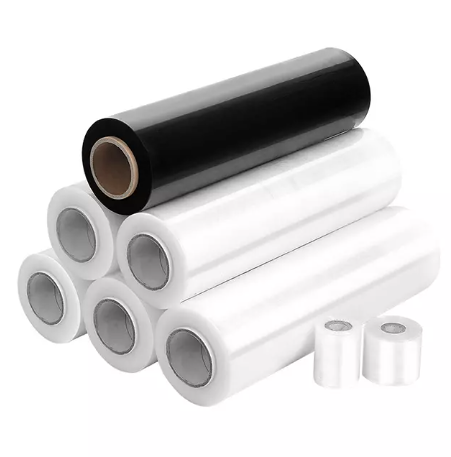
Hand-applied black stretch film is ideal for smaller operations or irregularly shaped items that cannot be easily wrapped with machinery. It comes in smaller rolls and is applied manually, making it perfect for low-volume packaging needs. This type of film is typically used in warehouses, moving services, or retail settings where small batches of items need to be wrapped quickly and efficiently.
Machine-grade black stretch film is designed for high-volume packaging lines. It is used in conjunction with stretch wrapping machines to increase speed and efficiency. This type of film is typically thicker and more durable than hand-applied film, designed to withstand the rigors of automated machinery. It is ideal for large-scale operations, such as those found in distribution centers or manufacturing facilities, where consistency and speed are critical.
Blown and cast black stretch films differ in their manufacturing processes and physical properties. Blown stretch film tends to be thicker and more puncture-resistant, making it ideal for wrapping heavy, irregularly shaped products. Cast stretch film, on the other hand, is typically smoother and quieter, offering a more consistent appearance. Depending on the application, businesses may choose one over the other based on the specific requirements, such as load type, stretchability, or durability.
| Feature | Blown Black Stretch Film | Cast Black Stretch Film |
|---|---|---|
| Manufacturing Process | Made by inflating molten plastic into a bubble, then stretching it | Produced by extruding molten plastic into a flat sheet, then cooling it |
| Thickness | Typically thicker (up to 120 gauge/30 microns) | Typically thinner (around 60-80 gauge/15-20 microns) |
| Puncture Resistance | Higher puncture resistance, suitable for heavy or irregular loads | Lower puncture resistance, ideal for lighter, stable loads |
| Stretchability | Higher stretchability (up to 300%) | Moderate stretchability (up to 250%) |
| Smoothness | Less smooth, often slightly rougher surface | Smoother finish, better for consistent appearance |
| Noise | Noisy when stretching due to the manufacturing process | Quieter when being applied, more suitable for noise-sensitive environments |
| Tear Resistance | Superior tear resistance, especially in challenging environments | Lower tear resistance, best for general-purpose use |
| Appearance | Less uniform, may have visible bubbles or uneven layers | Consistent, smooth surface that enhances product appearance |
| Application | Heavy-duty applications (e.g., industrial packaging, pallet wrapping for bulky items) | Light to medium-duty applications (e.g., retail packaging, less rugged items) |
| UV Resistance | Offers high UV protection, preventing degradation of light-sensitive items | UV resistance is lower compared to blown film, making it less ideal for outdoor storage |
| Cost | Typically more expensive due to higher durability and production costs | More cost-effective for general applications |
In e-commerce and retail distribution, black stretch film is used to secure and protect expensive or sensitive products during transit. The opacity of the film conceals the contents, which is important for high-value items such as electronics or luxury goods. It also helps improve security during transportation and reduces the risk of theft. Furthermore, black stretch film ensures the items are protected from dust, moisture, and sunlight during shipping and storage.
Black stretch film is also widely used for packaging construction materials like bricks, wood, and steel. These materials often need to be stored outdoors, exposed to the elements. The black stretch film's UV protection and moisture barrier properties help prevent weather damage, ensuring that materials are kept safe until they are needed. Additionally, the film’s durability provides added security, preventing shifting and protecting against potential environmental damage.
The pharmaceutical and chemical industries often require special packaging solutions to protect light-sensitive products. Black stretch film is used to wrap these materials, offering protection from UV light and preventing degradation of sensitive ingredients. The film’s ability to seal products securely also ensures that tampering can be detected, making it suitable for high-security applications in these sectors.
When selecting black stretch film, it’s essential to match the film's thickness to the weight of the goods being wrapped. Lighter loads typically require thinner films, while heavier loads necessitate thicker films to provide sufficient strength and security.The following table provides a guide for selecting the appropriate film thickness based on the weight and storage conditions of the goods.
| Load Type | Film Thickness (Microns) | Gauge (Weight Range) | Stretchability (%) | Ideal Application | Notes |
|---|---|---|---|---|---|
| Light Loads (up to 500kg) | 15-17 | 60-80 gauge | 100-150% | Small boxes, retail packaging | Thin film works for small, lightweight products. |
| Medium Loads (500-1000kg) | 17-20 | 80-100 gauge | 150-200% | Medium-sized products, industrial packaging | Provides adequate strength for moderate weight. |
| Heavy Loads (1000kg+) | 20-25 | 100-120 gauge | 200-250% | Heavy-duty goods, construction materials | Thicker film needed for increased tear resistance and stability. |
| Irregularly Shaped Loads | 20-25 | 100-120 gauge | 200-250% | Items with sharp edges or unusual shapes | Thicker film prevents punctures. |
| General-purpose Loads | 15-20 | 60-80 gauge | 150-200% | Warehouse storage, bulk items | Standard thickness for various applications. |
The width and length of the black stretch film are also important factors to consider. Hand-applied films are typically 15-18 inches wide, while machine films can be wider, up to 20 inches, for higher-volume applications. Roll length is another critical consideration, as longer rolls reduce the frequency of film changes during packaging operations.
| Film Width (Inches) | Film Length (Feet) | Ideal Application | Efficiency & Usage | Notes |
|---|---|---|---|---|
| 5-10 inches | 200-400 feet | Small, manual wrapping | Suitable for personal or small-scale use. | Easy to handle for small packages. |
| 12-18 inches | 500-1500 feet | Medium to large packages | Ideal for hand-applied wrapping of average-sized items. | Standard size for general use. |
| 20-24 inches | 1500-5000 feet | High-volume automated wrapping | Best for machine applications in industrial settings. | Provides more film per roll for high-volume operations. |
| 30-40 inches | 2000-5000 feet | Heavy-duty packaging | Best for very large or heavy loads. | Large width for big, bulky products. |
| Custom Widths | Custom lengths | Specialized applications | Custom options for specialized packaging needs. | Tailored for unique packaging needs. |
Tackiness refers to the film's ability to stick to itself and the load being wrapped. When choosing black stretch film, it's crucial to evaluate its tackiness to ensure it holds securely without slipping or shifting during transportation. Additionally, certain films are designed to minimize static electricity, which is important when packaging sensitive electronics or materials that may be affected by static charges.
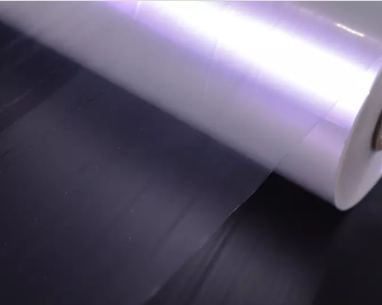
The base anchor technique is essential for ensuring that the black stretch film adheres securely to the pallet. Start wrapping the film from the bottom of the pallet, anchoring the film to the base. This technique helps prevent the film from slipping and ensures the load is tightly wrapped from the start. Proper anchoring minimizes the risk of unwrapping or shifting during transit.
To achieve maximum load stability, it’s important to maintain the proper stretch tension while wrapping. Black stretch film has a memory effect, which means it can shrink back to its original shape, providing a tighter wrap and better load containment. Maintaining optimal tension during wrapping will ensure that the film adheres firmly to the load and provides maximum protection.
When wrapping the top of the load, it’s crucial to overlap the film sufficiently to ensure full coverage and prevent moisture from entering. The final sealing strategy involves tucking the film under itself or using a sealing device to secure the film’s end. This final step ensures that the load is completely protected from external elements and tampering.
Black stretch film plays a crucial role in preventing theft and minimizing damage during transit. Its opaque nature not only hides the contents but also discourages potential theft by concealing high-value items from view. Additionally, its superior stretch and cling properties ensure that items are tightly secured, preventing movement and reducing the likelihood of damage caused by shifting loads. This added security results in fewer claims for product loss or damage, which ultimately improves overall cost-efficiency by reducing operational disruptions.
High-quality black stretch film offers superior stretchability, allowing it to cover a larger surface area with less material. By using films with high stretch ratios, businesses can reduce the amount of film required per pallet while still achieving optimal load containment. This results in lower material costs and improved efficiency in the packaging process.
The use of black stretch film in warehouses not only secures products but also enhances operational efficiency. The film’s opacity allows for easy visual categorization of different products, speeding up the sorting process. Warehouse staff can quickly identify and manage inventory by distinguishing between different batches or product types based on color-coded wraps. This reduces search times and leads to faster stock picking and shipping. Additionally, black stretch film’s ability to keep loads stable during transport further optimizes handling, streamlining warehouse workflows and increasing productivity.
Black stretch film is a highly effective solution for protecting goods during transportation and storage. Its key benefits, including privacy protection, UV resistance, and enhanced durability, make it an essential tool across many industries. When selecting the right black stretch film, beginners should consider their specific application needs such as load weight, storage conditions, and film thickness. By understanding the best practices for wrapping and choosing the appropriate specifications, businesses can ensure maximum security and cost-efficiency. Yu Long Packing Co., Ltd. offers high-quality black stretch films tailored to meet diverse packaging needs. Their products provide optimal performance in protecting goods, enhancing security, and improving overall packaging efficiency. Whether for logistics, retail, or industrial uses, Yu Long Packing Co., Ltd. delivers reliable, cost-effective packaging solutions that add value to any supply chain.
A: Black stretch film is a type of packaging film that provides superior privacy, UV protection, and load security. It is commonly used to wrap pallets and protect goods during transportation and storage.
A: To choose the right Black Stretch Film, consider factors like load weight, storage environment, and required thickness. Thicker films are needed for heavier loads, while thinner films work for lighter items.
A: Black stretch film offers enhanced privacy, protects against UV rays, prevents dust and moisture, and provides a more professional appearance, making it ideal for high-value or sensitive products.
A: Yes, Black Stretch Film is ideal for outdoor storage as it offers UV protection, which helps preserve sensitive products from sun exposure and weather damage.
A: Generally, Black Stretch Film can be slightly more expensive than transparent film due to its added benefits like UV protection and privacy. However, its durability and protective features can make it a cost-effective option in the long run.


