
- All
- Product Name
- Product Keyword
- Product Model
- Product Summary
- Product Description
- Multi Field Search
Views: 0 Author: Site Editor Publish Time: 2026-01-20 Origin: Site


Are stretch film and cling film the same? Many people mistakenly believe they are interchangeable, but they serve very different purposes. While both are plastic wraps, each has unique characteristics designed for specific uses. In this article, we'll explore the key differences between stretch film and cling film, helping you understand which one is best for your needs—whether for industrial packaging or food preservation. You'll learn about their materials, strength, applications, and more.
Stretch film is a versatile and essential packaging material used extensively in logistics, manufacturing, and shipping. Its primary function is to wrap around heavy or bulky items, securing them during transit and storage. Unlike other packaging options, stretch film’s ability to tightly wrap around items—without the need for adhesives—makes it a sustainable choice, reducing the risk of product damage during transportation. This stretchability allows it to conform to irregularly shaped products, providing superior load stability in dynamic environments.
The primary material used in stretch film is Linear Low-Density Polyethylene (LLDPE), which is known for its exceptional flexibility and durability. This material offers superior tensile strength compared to other plastics, allowing it to stretch up to 300% of its original length. LLDPE also has enhanced puncture resistance, making it ideal for industrial applications where durability is crucial. The addition of low levels of tackifiers ensures that the film adheres to itself, creating a secure wrap without the need for additional adhesives.
Stretch film's key strength lies in its stretchability and elasticity, which enable it to tightly secure and stabilize loads. Unlike cling film, which is more rigid, stretch film can elongate and return to its original form, providing excellent load containment. Its high puncture resistance is particularly beneficial when wrapping sharp-edged products or items subject to rough handling during transport. Additionally, the film’s stretch and recovery properties allow it to provide load stability without sagging, which is essential for maintaining the integrity of goods in transit.
In the industrial world, stretch film is indispensable in securing pallets and large shipments, ensuring that goods stay in place and are shielded from external elements such as dust, moisture, and dirt. Its elasticity allows it to conform tightly to products, offering additional protection during stacking. Stretch film is used in warehouses, factories, and distribution centers to bundle products together, providing an efficient solution for securing both small and large items. Its ability to prevent movement during transit reduces the likelihood of damage, ensuring a smoother supply chain process.
Cling film is widely used for food storage, as its primary function is to preserve food freshness. It creates an airtight seal around food, preventing exposure to air, moisture, and contaminants, which helps extend the shelf life of perishable goods. This film is particularly beneficial for preventing freezer burn when storing items in the freezer. By wrapping produce, leftovers, or ready-to-serve meals, cling film ensures that food remains hygienic and maintains its original flavor and texture for longer periods.
Cling film is typically made from polyethylene (PE), a plastic known for its flexibility, transparency, and food-safe properties. Some older versions use polyvinyl chloride (PVC), which provides excellent cling but is now less common due to environmental concerns. PE-based cling film is less toxic, recyclable, and free from plasticizers, making it a safer alternative for direct food contact. The film's molecular structure allows it to adhere tightly to surfaces and retain its elasticity for wrapping even irregularly shaped food items.
Cling film is designed to be thinner and more flexible than stretch film, making it highly pliable and easy to use for food preservation. Its high clinginess, often achieved through static charge or minimal additives, allows it to form tight, airtight seals around food containers, helping to prevent moisture loss and contamination. However, due to its thin nature, it lacks the durability and puncture resistance of stretch film, making it unsuitable for heavy-duty applications. Its strength is ideal for protecting food during short-term storage but not for industrial uses where more robust films are required.
In households, cling film is indispensable for covering food, preventing moisture loss, and sealing bowls, plates, and leftovers. In commercial kitchens, cling film is frequently used to wrap sandwiches, vegetables, and fruits, ensuring they stay fresh and protected. Its transparent nature allows easy identification of the wrapped food without opening it. Cling film is also used in retail settings for packaging prepared meals, ready-to-eat snacks, or produce, as it creates a clear and protective seal that maintains hygiene and prevents contamination.
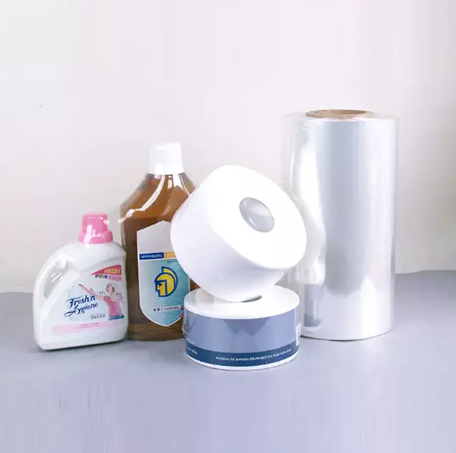
| Property | Stretch Film (LLDPE) | Cling Film (PE) |
|---|---|---|
| Material Type | Linear Low-Density Polyethylene (LLDPE) | Polyethylene (PE) |
| Flexibility | Moderate flexibility, designed for strength | High flexibility, designed for wrapping food |
| Durability | High durability, resistant to wear and tear | Less durable, suitable for light-duty applications |
| Clinginess | Not naturally clingy, relies on tension for security | Naturally clingy, adheres tightly to surfaces |
| Food Safety | Not food-safe, intended for industrial use | Food-safe, suitable for wrapping food directly |
Tip: Stretch film is ideal for industrial use, where strength and durability are required. Cling film, on the other hand, is best suited for food packaging due to its flexibility and safety for food contact.
| Property | Stretch Film | Cling Film |
|---|---|---|
| Thickness | 17–30+ microns (Thicker for industrial use) | 3–15 microns (Thinner for food use) |
| Strength | High strength, puncture-resistant, durable | Lower strength, more prone to tearing |
| Puncture Resistance | Excellent resistance to punctures and tears | Low resistance, suitable for light-duty packaging |
| Tensile Strength | Can stretch up to 300%, ideal for heavy loads | Limited stretchability, designed for light applications |
Tip: For securing large, heavy loads, stretch film’s thickness and strength offer superior performance. For food, cling film's lighter structure ensures fresh storage without affecting food safety.
| Property | Stretch Film | Cling Film |
|---|---|---|
| Stretchability | Up to 300%, can stretch to wrap large objects | Minimal stretchability, designed for food wrapping |
| Adhesion | Sticks through tension and minimal tackifiers | Self-adhesive via static charge |
| Recovery | Excellent elastic recovery, returns to original form | Limited recovery, designed for short-term use |
| Application | Secures and stabilizes heavy loads in transport | Used for sealing food containers and maintaining freshness |
Tip: Stretch film's high stretchability allows it to secure large loads tightly, while cling film’s static charge makes it ideal for maintaining an airtight seal on food.
| Application Area | Stretch Film | Cling Film |
|---|---|---|
| Primary Use | Securing pallets and large items in logistics | Wrapping food and preserving freshness |
| Industrial Use | Used in warehouses, logistics, and shipping | Rarely used in industrial applications |
| Food Use | Can be used to stabilize food containers, not directly on food | Ideal for wrapping food items and containers |
| Environment | Industrial environments, requiring strength and durability | Household and commercial kitchens, food-safe packaging |
Tip: Stretch film excels in industrial and heavy-duty settings, while cling film is the go-to solution for food preservation, creating an airtight seal that prolongs freshness.
Stretch film is widely used in industrial environments, especially in logistics and warehousing. Its primary function is to secure and stabilize large loads, such as pallets of goods, during transportation. Stretch film also protects products from dust and moisture, making it ideal for storing items in harsh environments. Its stretchability allows it to cover irregular shapes and provide a tight wrap around a variety of products.
Cling film is most commonly found in kitchens and commercial food establishments. It is used to wrap food, covering containers and individual items to keep them fresh. The airtight seal prevents moisture loss and contamination, making cling film essential for food preservation. It is also used in retail environments to wrap fruits, vegetables, and prepared foods for sale.
In terms of environmental impact, stretch film is primarily used in industrial settings and is not suitable for direct contact with food. Most stretch films are not biodegradable, which raises concerns about their environmental footprint. On the other hand, cling film is designed for food packaging and meets food safety standards, but it also faces challenges related to sustainability. As environmental awareness grows, eco-friendly alternatives, such as PLA biodegradable films, are emerging to meet the demand for sustainable materials in packaging.
| Attribute | Stretch Film | Cling Film |
|---|---|---|
| Food Safety | Not food-safe, contains industrial additives | Food-safe, suitable for food packaging |
| Biodegradability | Typically not biodegradable | Traditional cling films are not biodegradable, but eco-friendly options are emerging |
| Eco-friendly Alternatives | Limited eco-friendly alternatives, primarily industrial use | Growing demand for alternatives like PLA biodegradable films |
| Usage Environment | Industrial environments such as transport and warehousing | Primarily for household and commercial kitchens, food preservation |
| Packaging Standards | Not food-grade, designed for industrial use | Food-grade, complies with FDA and food safety regulations |
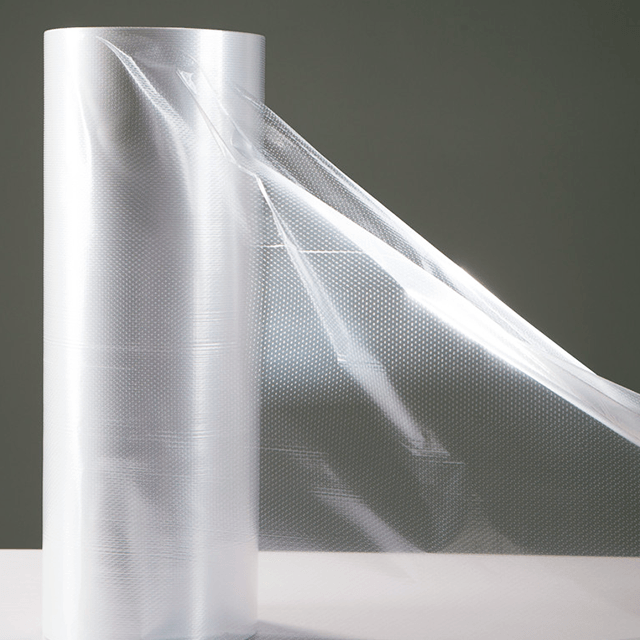
Stretch film is not suitable for direct contact with food. It contains industrial additives that may leach into food, which could pose a health risk. For food safety, it is critical to use only food-grade materials that are FDA-approved, such as cling film. Stretch film is designed for industrial use, where safety standards are different.
While stretch film should not touch food directly, it can be used to stabilize food containers during transportation. For example, food products may be wrapped in containers and then secured with stretch film for shipment. However, the film should not come into contact with the food itself to prevent any contamination.
Cling film's low tensile strength makes it unsuitable for industrial use where strength and durability are essential. It cannot withstand the physical stress encountered during transportation or in harsh environments. In contrast, stretch film is engineered for high stretchability and exceptional durability, allowing it to securely wrap heavy loads and withstand punctures. Its superior tensile strength ensures that it maintains stability even under the pressure of large, bulky shipments, making it indispensable for logistics and warehousing applications.
Cling film is designed for short-term use, primarily in food preservation and packaging. Its flexibility and high cling factor make it ideal for wrapping fresh produce, covering dishes, and storing leftovers. However, cling film's lack of durability and strength limits its use to light-duty tasks. It is not suitable for securing heavy-duty items, such as large shipments or pallets in warehouses, where stretch film's ability to stretch and hold large loads securely is essential for preventing damage during transit.
Stretch film and cling film are two distinct types of plastic wraps, each serving unique purposes. Stretch film excels in industrial applications, where its strength, elasticity, and puncture resistance are crucial for securing heavy loads. It’s designed to protect and stabilize items during transportation and storage. On the other hand, cling film is primarily used for food preservation. Its flexibility and high cling factor make it ideal for wrapping food and maintaining freshness. Yu Long Packing Co., Ltd. offers high-quality stretch film, known for its superior strength and stretchability, making it perfect for heavy-duty industrial packaging. With a focus on durability and performance, Yu Long Packing Co., Ltd. ensures that their stretch film provides exceptional load security and protection in logistics, reducing risks during transit. By understanding the differences between stretch film and cling film, businesses and consumers can make informed choices to suit their specific needs, whether for industrial packaging or food preservation.
A: Stretch film is designed for industrial use to secure heavy loads during transport, while cling film is primarily for food preservation, providing airtight seals around food items.
A: Stretch film should not directly contact food due to industrial additives. It is used to stabilize food containers during transport but not for food preservation.
A: Stretch film is thicker, stronger, and highly elastic, making it ideal for securing heavy loads, unlike cling film, which is too thin and flexible for industrial use.
A: Most stretch films are not biodegradable. They are primarily used for industrial purposes and are designed for durability, not environmental friendliness.


