
- All
- Product Name
- Product Keyword
- Product Model
- Product Summary
- Product Description
- Multi Field Search
Views: 0 Author: Site Editor Publish Time: 2026-01-13 Origin: Site


Stretch film is an indispensable material in packaging. It ensures that products remain securely wrapped during transportation and storage. With its flexibility, strength, and cost-effectiveness, it's widely used across industries like logistics, agriculture, and retail. In this article, we'll explore the various types of stretch film, their specific advantages, and how to select the best one for your needs.
Hand stretch film, often referred to as manual stretch film, is ideal for smaller-scale operations or irregularly shaped loads. It is manually applied using dispensers, making it easy to use without the need for complex machinery. This type of stretch film is commonly used in smaller warehouses or businesses that handle low-volume packaging. It is versatile and cost-effective, especially for operations that do not require high-speed wrapping processes.
Hand stretch film is available in various thicknesses, allowing businesses to choose the best option for their specific load requirements. It is perfect for securing items such as boxes, bundled goods, and irregularly shaped products. However, it may require more labor than machine-based films and may not provide the same level of consistency.
Machine stretch film is designed for high-volume packaging operations. This type of stretch film is applied using automated wrapping machines, which significantly enhance efficiency and reduce labor costs. It is ideal for large-scale operations that require consistent and secure packaging, particularly for palletized goods.
Machine stretch film is known for its uniformity and superior load containment. It offers better stretch memory, which ensures that the wrapped goods remain tightly bound during transit. This film is available in both cast and blown types, depending on the strength and durability required for different load types. Machine stretch film is a reliable choice for industries that need fast, automated packaging processes without sacrificing load stability.
Pre-stretched film is a type of stretch film that is already stretched to its optimal level during manufacturing. This process reduces the effort required for application, making it easier to use and more efficient. Pre-stretched film is known for its excellent load stability, as it applies consistent tension without the risk of over-stretching.
This type of film offers significant material savings, as it requires less film to achieve the same level of wrapping force. Pre-stretched film is an eco-friendly option, reducing waste and improving sustainability in packaging operations. It is ideal for businesses looking for cost-effective solutions without compromising on load security.
Cast stretch film is produced using a process called cast extrusion. In this process, thermoplastic material is pushed through a flat die onto a chilled roll, creating a smooth and clear film. Cast stretch film offers excellent clarity, making it ideal for retail visibility and easy barcode scanning.
One of the key benefits of cast stretch film is its quiet unrolling, which makes it easier to handle compared to other types of stretch film. Additionally, it provides excellent cling on both sides, ensuring secure wrapping during transit. However, it is less puncture-resistant than blown stretch film, making it more suitable for regular-shaped, lighter loads.
Blown stretch film is produced through blown extrusion, where molten plastic is forced through a circular die and inflated to create a tube. The air cooling process increases the strength and flexibility of the film, giving it superior puncture resistance and making it ideal for wrapping irregularly shaped or heavy items.
Blown stretch film is known for its exceptional strength and ability to retain its stretch memory, providing superior load containment. However, it can be more expensive than cast stretch film and tends to be noisier when unwound. Its durability makes it an excellent choice for packaging sharp-edged items or heavy loads.
Reinforced stretch film is a multi-layered, heavy-duty stretch film designed for high-strength applications. This type of film is ideal for securing heavy loads, such as construction materials, metal parts, and other bulky products. Reinforced stretch film provides enhanced puncture resistance and excellent load stability, making it a reliable choice for industries that need robust packaging solutions.
Reinforced stretch film is thicker than regular films, offering additional durability and protection. It is often used in applications where maximum load containment is required to prevent damage during transportation or storage.
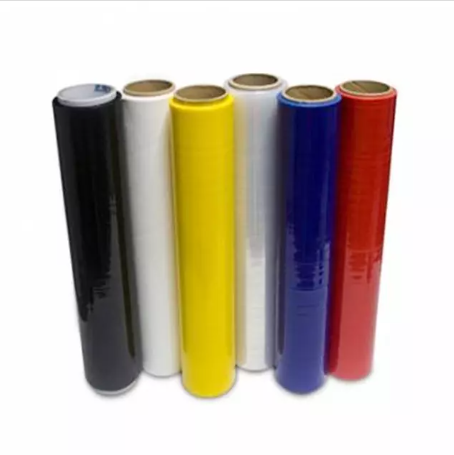
UV-resistant stretch film is specifically designed for products that will be stored outdoors or in direct sunlight. This film is treated with additives that protect goods from the harmful effects of UV radiation, preventing fading and degradation over time.
UV-resistant films are commonly used for wrapping products like outdoor furniture, building materials, or agricultural goods. By blocking UV rays, this film helps maintain the integrity and appearance of wrapped items, ensuring they remain in good condition even when exposed to the elements for extended periods.
Anti-static stretch film is formulated to prevent static buildup, making it ideal for packaging electronic components or other sensitive products that could be damaged by electrostatic discharge (ESD). This type of film is commonly used in the electronics industry to protect circuit boards, wiring, and other delicate components during transport and storage.
Anti-static stretch film is available in both hand and machine grades, providing flexibility for various applications. By preventing static buildup, it ensures that wrapped items are protected from potential damage caused by electrical charges.
Vented stretch film features perforations that allow airflow, making it ideal for products that require ventilation during storage or transport. This type of film is commonly used in the food industry, particularly for products like fruits, vegetables, or baked goods, which need to breathe to prevent condensation and spoilage.
Vented stretch film helps maintain the quality and freshness of perishable goods by preventing moisture buildup, which could lead to mold or rot. It is also used for wood products, where airflow is necessary to prevent warping or degradation.
Colored stretch film is a specialty product designed for color-coding inventory, branding, and security purposes. This type of film is available in a variety of colors, making it ideal for distinguishing different product types or identifying items in a warehouse.
Colored stretch film is often used in retail, logistics, and manufacturing environments, where quick identification of products is essential. It also provides an added layer of security, as it can help deter theft by concealing the contents of wrapped items.
When choosing the right stretch film, the type and weight of the load are key factors in determining the film type. Depending on the load, selecting the appropriate film can maximize packaging effectiveness. The following table provides detailed insights into different types of stretch films for various load types, their characteristics, and technical specifications.
| Load Type | Recommended Stretch Film | Film Characteristics | Application | Technical Specifications/Parameters | Considerations |
|---|---|---|---|---|---|
| Heavy/Irregular Loads | Blown Stretch Film, Reinforced Stretch Film | Superior puncture resistance and strength, ideal for sharp or bulky items | Ideal for construction materials, metal parts, heavy pallets | Stretch Strength: 350% - 450% Puncture Resistance: High Film Thickness: 20μm - 50μm | Suitable for loads that require high stability and strength, film thickness should match load weight |
| Light/Regular Loads | Cast Stretch Film, Pre-Stretched Film | Moderate puncture resistance and clarity, easy to apply and handle | Suitable for boxes, packaging, and small products | Stretch Strength: 150% - 250% Puncture Resistance: Medium Film Thickness: 12μm - 20μm | Best for regular loads, easy to operate and economical, suitable for low to medium weight products |
| Medium Loads/Smaller Products | Hand Stretch Film | High flexibility, ideal for irregular or smaller items | Ideal for small retail goods, office supplies | Stretch Strength: 120% - 200% Puncture Resistance: Low Film Thickness: 10μm - 15μm | Best for small-scale operations and lightweight items, requires manual handling, ideal for small volume packaging |
Tip: For heavy and irregular loads, choosing films with higher stretch strength and puncture resistance, such as blown stretch films and reinforced stretch films, will improve packaging stability and safety.
The volume of packaging required is another important factor to consider when selecting stretch film. For high-volume operations, machine stretch films are the most efficient choice. These films are designed to work with automated wrapping machines, allowing for faster, more consistent packaging and reduced labor costs.
In low-volume operations, hand stretch film may be sufficient. It is ideal for businesses with flexible packaging needs that do not require high-speed wrapping processes.
As sustainability becomes increasingly important, selecting eco-friendly stretch films can help reduce your environmental footprint. Pre-stretched films, for example, use less material during application, making them a more sustainable option. Additionally, films made from recyclable polyethylene can be reused, further contributing to environmental conservation.
If your products will be exposed to outdoor elements, UV-resistant films are essential for protecting against sun damage. These films help preserve the quality of your goods, ensuring they remain intact during extended exposure to the sun.
The application method plays a crucial role in selecting the right stretch film. Hand stretch film is ideal for small-scale, irregular items, while machine stretch film is suited for large-scale, automated packaging. The table below outlines the characteristics, applications, and technical specifications of both application methods.
| Application Method | Hand Stretch Film | Machine Stretch Film |
|---|---|---|
| Application Scenario | Small-scale operations, low-volume packaging, flexible use | Large-scale, automated packaging, palletized goods |
| Packaging Efficiency | Lower, depends on manual labor | High, automated, can handle large volumes quickly |
| Ease of Use | Simple to use, no complex equipment required | Requires machinery, installation, and maintenance |
| Film Types | Typically cast or pre-stretched films, easy to handle | Can choose from cast, blown, pre-stretched films, suitable for various load types |
| Technical Specifications/Parameters | Stretch Strength: 120% - 200% Film Thickness: 10μm - 20μm | Stretch Strength: 250% - 450% Film Thickness: 20μm - 50μm |
| Considerations | Best for small businesses or low-volume packaging, easy to operate but less efficient | Ideal for large-scale, efficient packaging, reduces labor costs but requires equipment support |
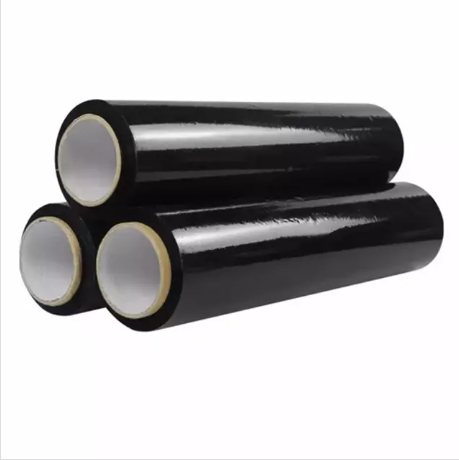
Pre-stretched film is an environmentally friendly option due to its reduced material usage. Since it is stretched during manufacturing, it requires less energy and film material to achieve the same wrapping force. This results in less waste and a more efficient packaging process, making it an ideal choice for businesses aiming to reduce their environmental impact.
Many stretch films are made from recyclable materials, such as polyethylene, which can be reprocessed and reused. By choosing stretch films made from recyclable content, businesses can help reduce plastic waste and promote sustainability in their packaging operations.
Using recycled materials not only benefits the environment but can also help lower costs, as recycled stretch films are often more affordable than their virgin counterparts.
There is a growing demand for sustainable packaging solutions across various industries. As businesses become more aware of the environmental impact of their packaging materials, the market for eco-friendly stretch films has expanded. Manufacturers are increasingly producing stretch films that meet environmental standards, such as using recycled content, reducing waste, and offering recyclable options.
Sustainability-conscious businesses are opting for stretch films that minimize environmental footprints without sacrificing performance. This trend is expected to continue as more companies prioritize eco-friendly packaging solutions.
Stretch film provides excellent load stability by tightly binding products together during transportation. This ensures that goods do not shift or become damaged, even during rough handling or transit.
By securing loads tightly, stretch film helps prevent items from falling or becoming dislodged, ensuring that goods reach their destination intact.
Stretch film offers protection against a variety of external factors, including dust, dirt, moisture, and UV damage. This makes it essential for safeguarding products during storage and transport.
For products exposed to outdoor elements, UV-resistant stretch films provide an added layer of protection, ensuring that goods are not damaged by prolonged sun exposure.
Stretch film helps businesses reduce costs by minimizing material waste and lowering labor expenses. Pre-stretched and machine stretch films are particularly cost-effective, as they require less material while providing excellent load containment.
By choosing the right stretch film for your packaging needs, you can optimize your packaging processes, reduce waste, and improve overall efficiency.
Stretch film is an essential material for packaging, offering flexibility, strength, and cost-efficiency across various industries. Whether wrapping small items manually or securing large pallets with automation, selecting the right stretch film is crucial for optimizing efficiency and product safety. Yu Long Packing Co., Ltd. offers high-quality stretch film products tailored to meet your packaging needs. With a range of films that cater to different load types and operational scales, their products provide exceptional value, ensuring your goods remain protected while reducing operational costs.
A: Stretch film is a highly stretchable plastic film used for securing and protecting products during transportation and storage. Its flexibility, strength, and cost-effectiveness make it a popular packaging solution.
A: Stretch film can be applied manually using hand dispensers or automatically with machines, depending on the packaging volume and load type.
A: The main types of stretch film are hand stretch film, machine stretch film, and pre-stretched film. Each type is designed for different applications and load requirements.
A: Machine stretch film is ideal for high-volume, automated packaging, offering faster, more consistent wrapping and reducing labor costs compared to hand stretch film.
A: Stretch film provides load stability by tightly binding products together, preventing them from shifting or getting damaged during transit.
A: Yes, many types of stretch film, particularly those made from polyethylene, are recyclable, helping reduce environmental impact.
A: Pre-stretched film is more efficient to use, requires less material, and offers better load stability, making it an eco-friendly option.


